
Summary
Introduction
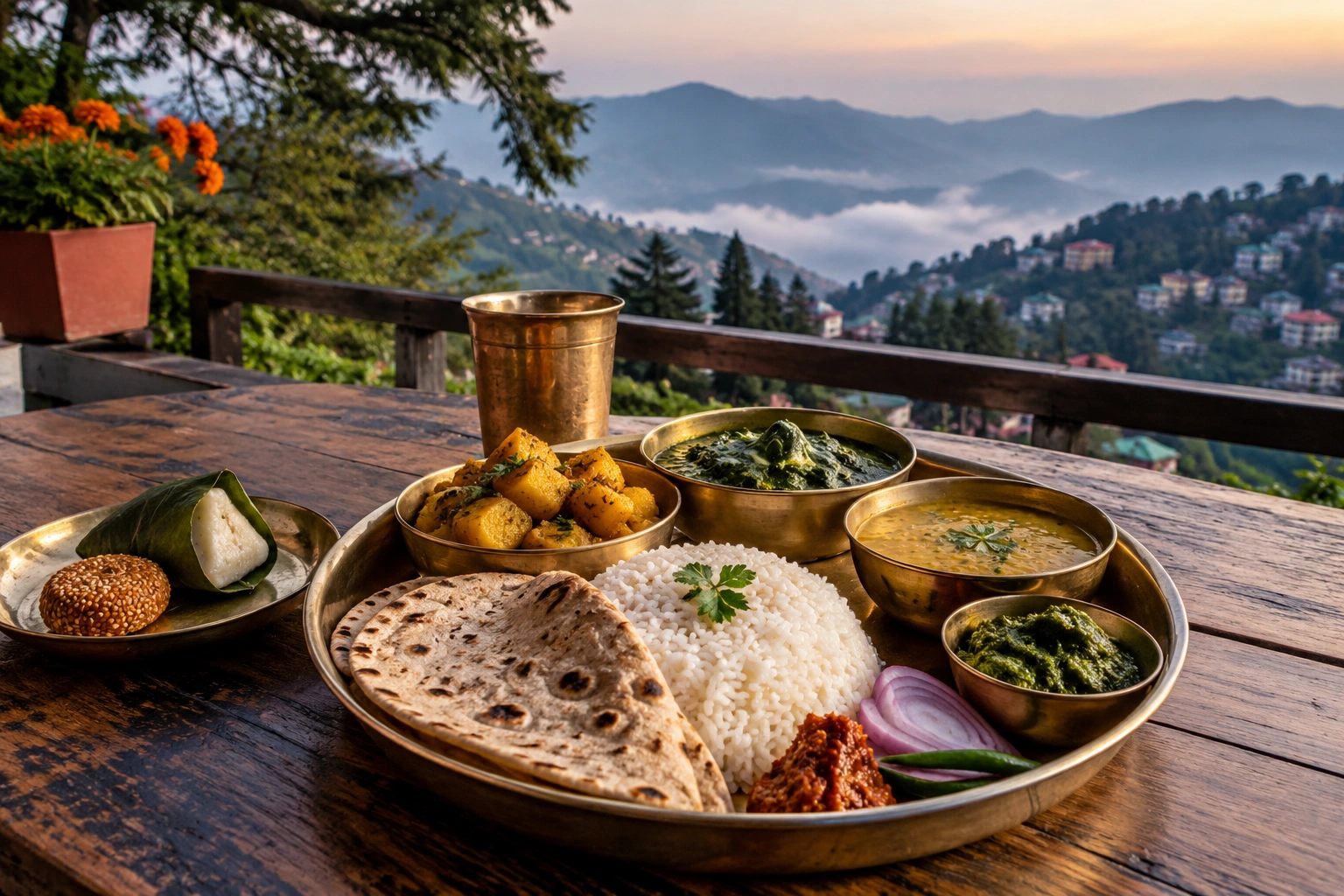
When people plan a trip to Mussoorie, they usually think about mountain views, Mall Road, cosy cafés and beautiful sunsets. Food is also an important part of the experience, but many visitors only try pizza, pasta, burgers, coffee and other popular café items.
There is another side of the town’s food culture that deserves attention. Traditional mountain meals are simple, filling and closely connected with the local lifestyle. The food often uses lentils, grains, leafy vegetables, spices and ingredients that are easy to find in the hills.
Trying pahadi food in Mussoorie gives you a chance to enjoy something different from the usual tourist menu. These dishes may not always look fancy, but they are full of warmth, flavour and local character.
In this guide, we will explore traditional dishes worth trying, the ingredients and flavours used in mountain cooking, and ways to enjoy local food during your Mussoorie trip. We will also share how staying at a comfortable homestay at Mussoorie can make it easier to enjoy simple local meals at a relaxed pace.
What Makes Pahadi Food in Mussoorie Different from Regular Hill-Stay Meals?
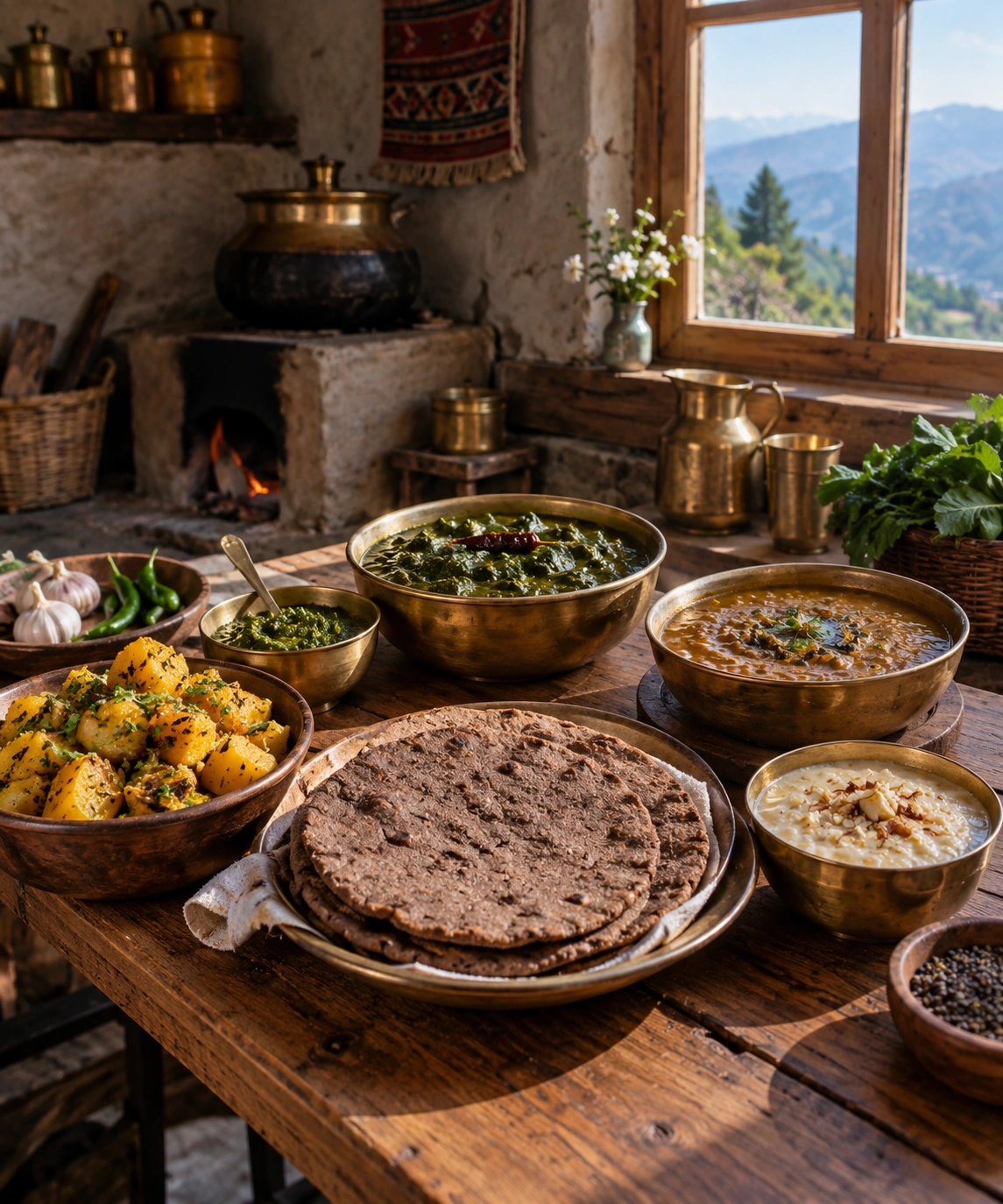
Food in the hills is shaped by the local climate, lifestyle and availability of ingredients. Traditionally, people living in mountain areas prepared meals that were nourishing, easy to cook and suitable for daily life.
Unlike many modern café menus, traditional mountain food does not always depend on heavy sauces, rich toppings or complicated cooking methods. Many dishes are made with basic ingredients but have a strong and comforting taste.
The beauty of pahadi food in Mussoorie is its simplicity. A plate of dal, rice, vegetables and a little chutney can feel satisfying after a long day of walking through the hills.
Simple ingredients with strong flavours
Traditional mountain cooking commonly uses ingredients such as:
- Lentils and pulses
- Rice and local grains
- Seasonal leafy vegetables
- Potatoes and other root vegetables
- Jambu and local herbs
- Coriander, cumin and garlic
- Mustard oil or other cooking oils
- Local chillies and spices
- Buttermilk and curd
- Fresh seasonal produce
The ingredients may change according to the season and the family preparing the food. Some dishes are light and fresh, while others are heavier and more suitable for cold weather.
Food that feels comforting in the mountains
The weather in Mussoorie can become cool, especially during mornings, evenings and winter months. Warm food naturally becomes more enjoyable in this setting.
A bowl of dal, hot rice, a simple vegetable preparation or a warm roti can feel much more satisfying after spending time outdoors. This is one reason local food is worth exploring instead of depending only on snacks and café meals.
Travellers staying in homestays in Mussoorie may also get the chance to ask hosts about local dishes or nearby places serving regional food. A local recommendation can sometimes lead to a more memorable meal than a restaurant found only through a quick search.
Traditional food is connected with local life
Food is not only about taste. It also tells you something about the people and places where it comes from.
Mountain meals often reflect:
The local farming lifestyle
Seasonal availability of vegetables
Traditional cooking methods
Family recipes passed through generations
The need for filling and energy-rich food
The influence of nearby Garhwali and Kumaoni food traditions
Mussoorie is a popular tourist town, so its food scene includes many different cuisines. Still, taking some time to discover local flavours can help you experience a quieter and more genuine side of the hills.
The next time you visit Mussoorie, try keeping one meal aside for traditional food. It may become one of the most enjoyable parts of your trip.
Traditional Pahadi Dishes You Should Try During Your Mussoorie Trip
There are several traditional dishes from Uttarakhand that visitors may find in local homes, regional restaurants or selected food outlets around Mussoorie and nearby areas. Availability can change, so it is always useful to ask before ordering.
These dishes are usually simple, but each one has its own taste and connection with mountain cooking.
1. Kafuli
Kafuli is a traditional leafy green dish associated with Uttarakhand. It is generally prepared using green leafy vegetables such as spinach or other local greens.
The leaves are cooked with spices and sometimes thickened slightly to create a smooth, comforting preparation. It is often enjoyed with rice or roti.
Kafuli is a good choice for travellers who prefer simple vegetarian food. Its earthy taste feels especially suitable for a cool mountain evening.
2. Phaanu
Phaanu is a lentil-based dish made by soaking and grinding pulses before cooking them with spices. The preparation can vary depending on the region and the type of lentil used.
It usually has a thick texture and a rich, earthy flavour. Since it is made from pulses, it is also a filling option for people looking for a wholesome meal.
Phaanu may not look like a typical restaurant dish, but it represents the kind of food that has been part of traditional mountain kitchens for a long time.
3. Chainsoo
Chainsoo is another well-known Uttarakhand dish made from roasted and ground lentils. The roasting gives it a distinct smoky and nutty flavour.
It is commonly prepared with spices and served with rice. The taste can be stronger than regular dal, making it interesting for visitors who want to try something different.
Chainsoo is particularly enjoyable during colder weather because it is warm, hearty and full of flavour.
4. Aloo ke Gutke
Aloo ke Gutke is one of the easiest traditional dishes to enjoy. It is made with potatoes cooked in spices, often with cumin, red chillies and local seasoning.
The potatoes are usually cut into pieces and cooked until they absorb the flavours. The dish can be served as a side with roti, rice or other local food.
Because potatoes are common in mountain cooking, this dish is simple but familiar. Even travellers who are trying regional food for the first time may enjoy it.
5. Kandalee ka Saag
Kandalee ka Saag is prepared using kandalee, a local leafy plant. The leaves need to be handled and cooked carefully, and traditional preparation removes the sting associated with the raw plant.
The dish is valued for its local connection and traditional use. It may not be available everywhere, but it is worth asking about when visiting a place that serves regional Uttarakhand food.
6. Bhang ki Chutney
Bhang ki chutney is a popular traditional accompaniment in Uttarakhand. It is made using roasted hemp seeds, usually combined with ingredients such as cumin, green chilli, lemon juice and salt.
Despite its name, the chutney is a food preparation made from seeds and is not an intoxicating preparation. It has a nutty, tangy and slightly spicy flavour.
It is usually served in small quantities with dal, rice, roti or local snacks. A little chutney can add a strong flavour to a simple meal.
7. Jhangore ki Kheer
Jhangore ki Kheer is a traditional dessert made using jhangora, a type of local millet. It is cooked with milk and sugar to create a creamy sweet dish.
The texture can be slightly different from regular rice kheer, which makes it interesting for visitors. It is a good option for anyone who wants to finish a traditional meal with a local dessert.
8. Singori
Singori is a traditional sweet from Uttarakhand, usually made with khoya and wrapped in a leaf. The leaf gives it a distinctive appearance and a mild natural aroma.
It is often associated with Kumaoni food traditions and may be found in sweet shops or places selling regional products.
Singori is easy to carry and can also be a nice food item to try or take home, provided it is stored properly.
9. Arsa
Arsa is a traditional sweet made from rice, jaggery and oil. It is usually prepared during festivals and special occasions.
The outside may have a slightly firm texture while the inside remains soft and sweet. Since it is not an everyday café dessert, trying arsa can give you a better understanding of traditional mountain food culture.
10. Local Rotis and Seasonal Preparations
Depending on the place, you may also find different types of local rotis, millet-based preparations and seasonal vegetables.
These may not have the same name or style everywhere. Many families and food outlets prepare regional dishes in their own way.
When exploring homestay at Mussoorie options, you can ask whether the property serves local breakfast or can suggest nearby places for regional food. This can help you discover dishes that are not always listed on standard tourist menus.
Local Flavours, Spices and Ingredients Used in Mussoorie’s Mountain Food
The taste of mountain food comes from the ingredients as much as the cooking method. Traditional dishes often use a small number of spices, but the balance creates a strong and comforting flavour.
Food in Uttarakhand is not the same in every district. Recipes may change from one region to another, and Mussoorie’s food scene also includes influences from nearby areas.
The importance of lentils
Lentils are a major part of traditional mountain meals. They are filling, affordable and easy to combine with rice or roti.
Different lentils create different flavours and textures. Roasted lentils may give a dish a smoky taste, while soaked and ground pulses can create a thicker consistency.
This is why dishes such as Phaanu and Chainsoo feel different from regular dal, even though pulses are the main ingredient.
Local grains and millets
Millets and local grains have traditionally been used in mountain food because they can grow in difficult conditions and provide energy.
Jhangora is one example associated with Uttarakhand. It is used in sweet preparations such as Jhangore ki Kheer.
Millet-based food is also becoming more popular among travellers who want to explore traditional diets. However, the exact dishes available may depend on the restaurant, season and local supply.
Herbs and simple spices
Mountain cooking often depends on fresh herbs and basic spices rather than heavy sauces.
Common flavours may include:
- Cumin
- Coriander
- Garlic
- Red chilli
- Green chilli
- Turmeric
- Jambu
- Local herbs
- Mustard seeds
- Lemon
- Salt
These ingredients help create dishes that are warm, earthy, spicy or slightly tangy.
Bhang seeds and traditional chutneys
Bhang ki chutney is a good example of how local ingredients are used in everyday food. Roasted seeds provide a nutty flavour, while lemon and chilli add freshness and heat.
Chutneys are often served in small portions, but they can change the taste of an entire meal. They are especially useful with simple dishes such as dal, rice, potatoes and roti.
Seasonal vegetables
Seasonal vegetables are important in mountain kitchens. The exact vegetables available may change according to weather and local farming.
Leafy greens, potatoes, radish, pumpkin and other vegetables may be used in different preparations. The cooking style is often simple so that the natural taste of the ingredients remains noticeable.
This seasonal approach is one reason traditional food can feel different during different times of the year.
Food and the mountain climate
In colder months, people often prefer warm and filling meals. During warmer days, lighter preparations, curd, chutneys and seasonal vegetables may feel more suitable.
If you are staying at homestays in Mussoorie, you can ask your host about the food that is commonly prepared during your visit. This can help you understand which dishes are seasonal and where you may find them nearby.
Food becomes more meaningful when you know a little about the ingredients behind it. Instead of only asking whether a dish is spicy, try asking what it is made from and how it is traditionally served.
Where to Experience Authentic Pahadi Food Beyond the Usual Café Menu
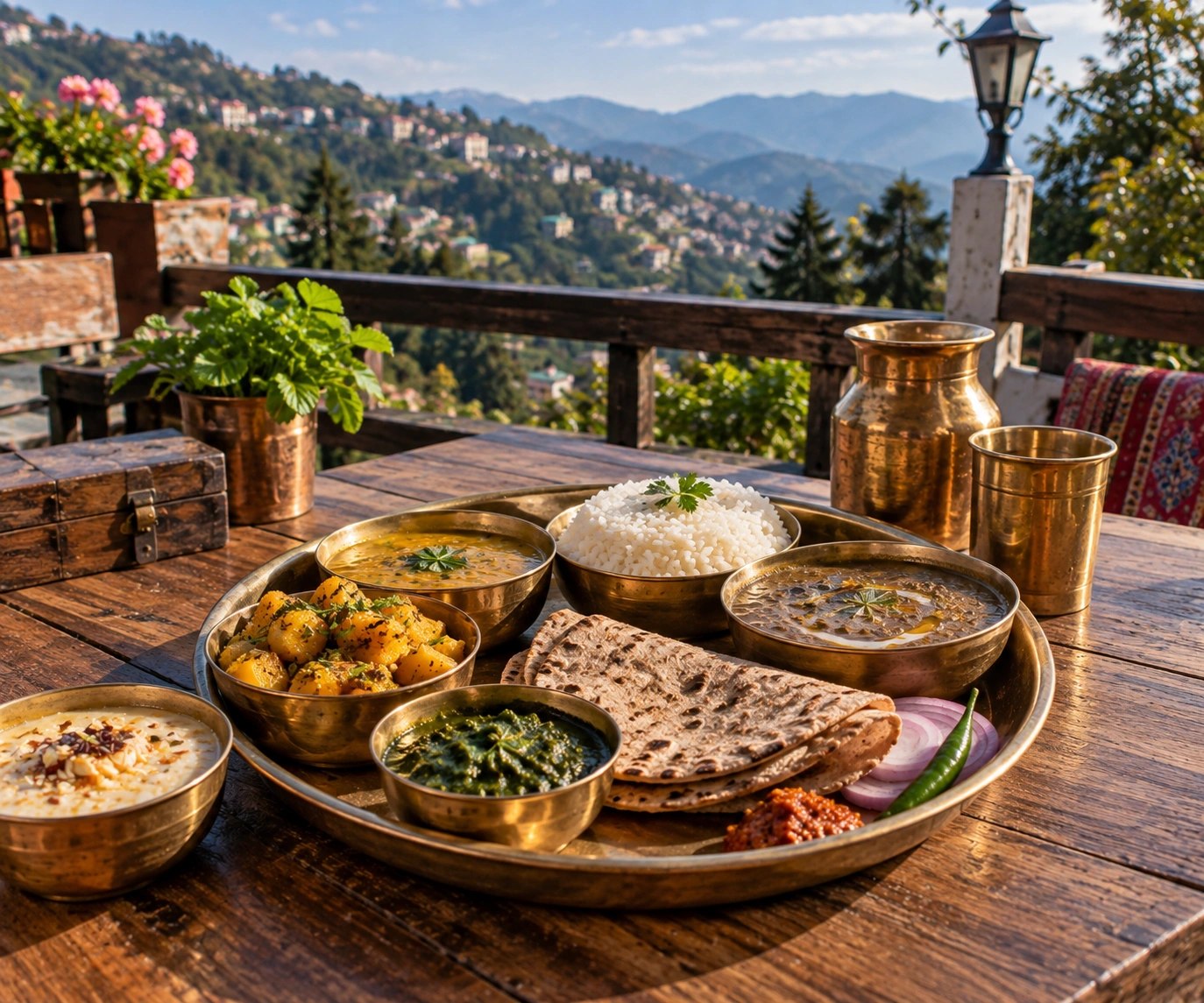
Finding traditional food in a popular hill station may require a little effort. Mussoorie has many cafés and restaurants serving North Indian, continental and fast-food options, but regional dishes may not be available on every menu.
The best approach is to ask locals, hosts and restaurant staff for suggestions instead of assuming that every place serves authentic mountain food.
Look for regional restaurants
Some restaurants focus on local Uttarakhand cuisine, while others may include one or two regional dishes along with regular North Indian food.
Before visiting, ask:
Do you serve traditional Garhwali or Kumaoni dishes?
Which local dishes are available today?
Is the food prepared fresh?
Are the ingredients seasonal?
Is the dish spicy or mild?
Do you serve local chutneys or sweets?
This simple conversation can help you choose a meal that suits your taste.
Ask your homestay host
A local host can often suggest places that tourists may not notice. They may also know which dishes are available in the area during a particular season.
A homestay at Mussoorie can be a useful option for travellers who want a more personal experience. You can ask the host about local food, markets, traditional sweets and places where residents usually eat.
Not every homestay serves meals, so check the facilities before booking. If food is available, ask whether the menu includes local dishes or only regular breakfast items.
Explore local markets carefully
Local markets and small food shops may offer regional snacks, sweets and simple meals. However, not every shop will serve a complete traditional menu.
Look for places where:
The food is being prepared regularly.
Local customers are visiting.
The menu includes regional names.
The kitchen looks clean.
The food is served hot and fresh.
Staff can explain the ingredients.
It is better to choose a clean and busy place than to select a shop only because it looks traditional.
Try local food during the right season
Some dishes are easier to find during certain seasons, festivals or local events. Seasonal greens, sweets and special preparations may not be available throughout the year.
If a particular dish is not available, ask for an alternative. You may discover another local preparation that is equally interesting.
Keep your expectations realistic
Traditional food may not always taste like restaurant-style food. Some dishes can be mild, earthy, smoky or less oily than what visitors are used to.
The purpose of trying local food is to understand a different style of cooking. Give yourself time to enjoy the flavours instead of judging a dish only by its appearance.
A comfortable base for food exploration
If you want to enjoy food and sightseeing together, staying near the main town can make your plans easier. You can explore cafés, local markets and nearby attractions without spending too much time travelling.
Chalet by The Manor House can offer a comfortable base for travellers who want to explore Mussoorie at a relaxed pace. After trying local food around town, you can return to your stay and enjoy a peaceful evening.
When choosing between homestays in Mussoorie, check the location, kitchen access, dining arrangements, parking, heating and nearby food options. These small details can make your trip more convenient.
Let These Local Dishes Become a Memorable Part of Your Mussoorie Visit
Food can make a holiday feel more personal. You may forget the name of a café, but you may remember a warm bowl of dal, a spicy chutney, a simple potato dish or a local sweet enjoyed after a long walk.
Trying pahadi food in Mussoorie does not mean you have to avoid cafés or familiar meals. You can enjoy both. Have your favourite coffee during the day and keep one meal for discovering local flavours.
Plan one local food experience
A simple food plan can include:
Trying one traditional dish for lunch.
Ordering a local chutney with your meal.
Asking about seasonal vegetables.
Tasting a regional sweet.
Visiting a local food outlet recommended by residents.
Asking your host about traditional recipes.
Buying a small quantity of local food as a souvenir.
You do not need to try every dish in one day. A slow approach is better because it gives you time to understand what you are eating.
Be respectful of local food traditions
When visiting small food outlets or local homes, be respectful of the way food is prepared and served. Some dishes may have cultural or seasonal importance.
Avoid wasting food, ask before taking photographs inside kitchens and mention any allergies or dietary restrictions before ordering.
If you are unsure about an ingredient, ask politely. This is especially important when trying unfamiliar chutneys, herbs or local preparations.
Choose a stay that supports a relaxed trip
A comfortable stay can improve the overall food experience. You may want to take a break after lunch, enjoy tea in the evening or return early after dinner.
Choosing a homestay at Mussoorie can be useful for travellers who prefer a peaceful atmosphere and a more personal stay. If the property has a kitchen or dining area, it may also offer more flexibility for families and longer visits.
Before booking, check whether the property provides meals, has kitchen facilities or is located close to restaurants and markets.
Why Chalet by The Manor House can be a convenient base
For travellers exploring Mussoorie, Chalet by The Manor House offers a comfortable place to return to after a day of sightseeing and food exploration.
Its location can be useful for visitors who want to enjoy the town’s attractions, cafés and local food options while also having a peaceful place to rest. If you are comparing homestays in Mussoorie, consider not only the room but also the overall experience, accessibility and comfort.
A food-focused trip does not need to be complicated. Choose a few dishes, ask local people for suggestions and enjoy the meal without rushing.
The real charm of mountain food
Traditional food is one of the easiest ways to connect with a destination. It shows how people use local ingredients, adapt to the climate and preserve recipes over time.
The best part is that many mountain dishes are simple enough to understand but rich enough to remember. They do not need fancy presentation to make an impression.
So, during your next visit, move beyond the usual café menu and give local food a chance. A warm traditional meal may become one of the quiet highlights of your Mussoorie holiday.
Conclusion
Trying pahadi food in Mussoorie is a simple way to experience the town beyond its popular cafés and tourist attractions. From Chainsoo and Kafuli to Aloo ke Gutke, local chutneys and traditional sweets, these dishes offer a taste of the hills’ everyday food culture.
If you want to explore local flavours at a relaxed pace, Chalet by The Manor House can be a comfortable base for your trip. Choosing a suitable homestay at Mussoorie also makes it easier to enjoy nearby food spots, local markets and peaceful evenings.
During your next visit, keep one meal aside for regional food, ask for local recommendations and enjoy the experience slowly. Sometimes, a simple mountain meal becomes one of the most memorable parts of a holiday.
People Also Ask
What is the famous food of Mussoorie?
Some famous local foods of Mussoorie include Aloo ke Gutke, Kafuli, Chainsoo, Gahat ki Dal, Phaanu and Mandua ki Roti. These dishes are part of the traditional Garhwali and Pahadi food culture.
What is the difference between Pahadi food and regular North Indian food?
Pahadi food usually uses local ingredients such as millets, lentils, leafy greens, herbs and mountain spices. It is generally simple, earthy and comforting, while regular North Indian food often includes richer gravies, dairy and restaurant-style spices.
Where can I try authentic Garhwali food in Mussoorie?
You can look for traditional food at small local eateries, dhabas and home-style restaurants around Landour Bazaar, Kulri Bazaar and nearby local areas. These places may offer dishes that are not commonly available on regular café menus.
Is Pahadi food in Mussoorie suitable for vegetarians?
Yes, many traditional Pahadi dishes are vegetarian and are prepared with potatoes, lentils, leafy greens, grains and local herbs. Aloo ke Gutke, Kafuli, Chainsoo, Gahat ki Dal and Mandua ki Roti are some options to look for.
What should I eat in Mussoorie during cold weather?
During colder days, try warming dishes such as Chainsoo, Gahat ki Dal, Kafuli, Phaanu, Aloo ke Gutke and Mandua ki Roti. Local lentils, spices and ghee-based preparations are commonly enjoyed as comforting mountain meals.
Frequently Asked Questions
What is the most popular traditional food to try in Mussoorie?
Aloo ke Gutke, Chainsoo, Kafuli, Phaanu and Bhang ki Chutney are some traditional Uttarakhand dishes worth trying.
Is pahadi food in Mussoorie usually vegetarian?
Many traditional dishes are vegetarian and use lentils, grains, potatoes, leafy vegetables and local herbs.
Can I find traditional food near Mall Road in Mussoorie?
Some restaurants and food outlets may offer regional dishes, but availability can vary. Asking locals or your host is often helpful.
Is Bhang ki Chutney intoxicating?
Traditional Bhang ki Chutney is made from roasted hemp seeds used as a food ingredient. It is not the same as an intoxicating preparation.
Can a homestay help me experience local food in Mussoorie?
Yes, some homestays may serve local meals or suggest nearby places for traditional food. Check the food facilities before booking.