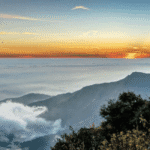
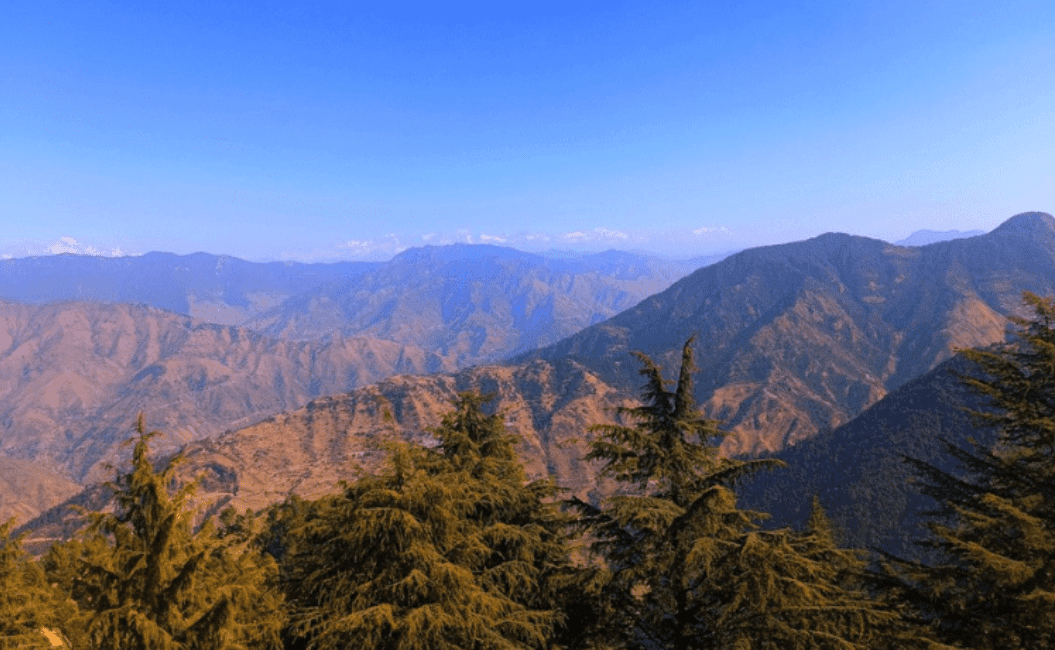
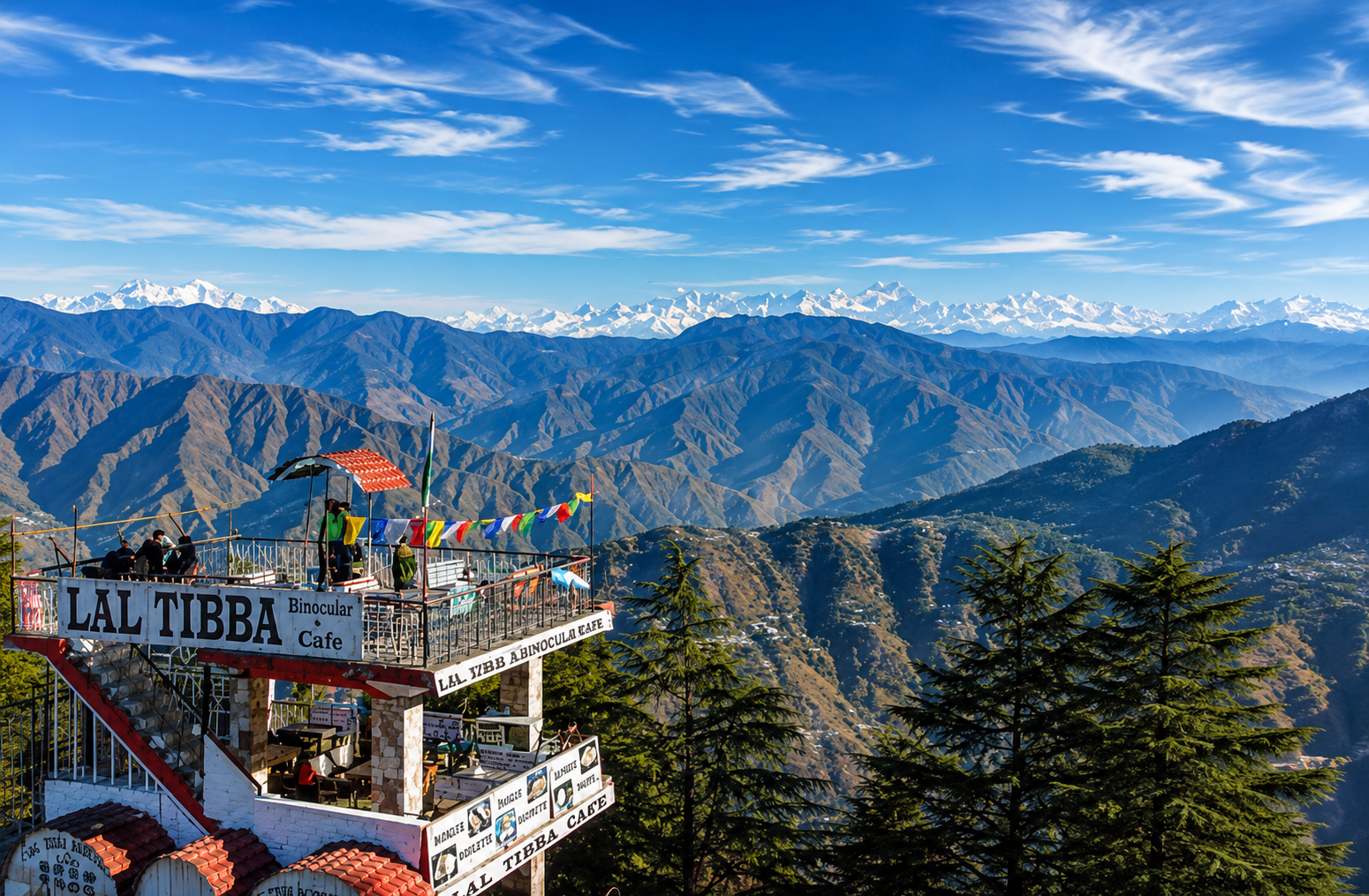
Perched at an altitude of 2,275 metres, Lal Tibba Mussoorie is the highest point in the hill station and a dream destination for those seeking breathtaking Himalayan views, tranquillity, and a taste of Mussoorie’s colonial charm. Known as the “Red Hill” because of the crimson hues the sky takes on during sunrise and sunset, Lal Tibba is not just a viewpoint—it’s an experience.
Whether you’re a first-time traveller to Mussoorie or a regular visitor, Lal Tibba remains one of the most captivating attractions. In this blog, we’ll explore everything you need to know about Lal Tibba: how to reach it, the Lal Tibba distance from Mussoorie, the temperature and weather conditions, its connection with the famous Lal Tibba Char Dukan Mussoorie, and practical travel tips for planning your trip.
The Charm of Lal Tibba Mussoorie
Unlike the busy Mall Road, Lal Tibba offers peace, panoramic views, and an old-world charm. It is located in Landour, a quaint cantonment area, known for its colonial bungalows, winding lanes, and serene environment. From this point, visitors can enjoy unobstructed views of Himalayan peaks such as Kedarnath, Badrinath, and even Tibet’s snow ranges on a clear day.
With its perfect blend of nature, history, and simplicity, Lal Tibba continues to be one of the top 8 destinations in Mussoorie.
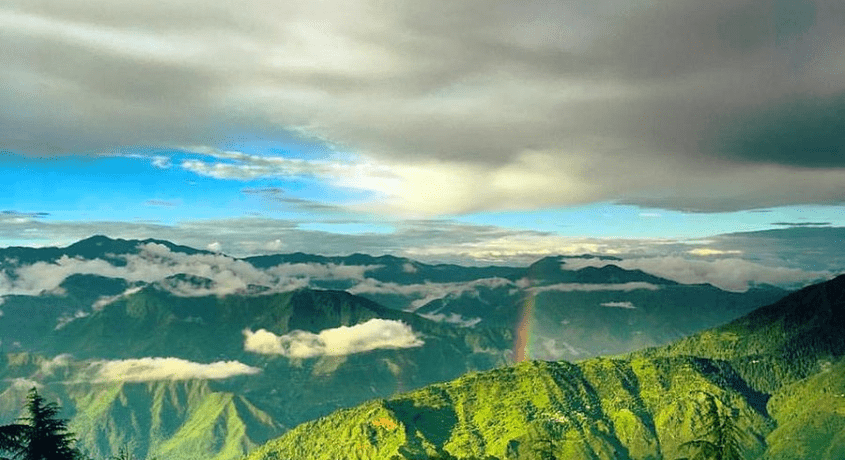
Distance from Mussoorie
One of the most common questions travellers ask is about the Lal Tibba distance from Mussoorie. Located approximately 6 kilometres from Mall Road (Mussoorie town centre). The journey takes around 20 minutes by car, and the winding roads leading to Landour add a scenic charm to the drive.
If you enjoy walking, you can even trek uphill from Mussoorie to Lal Tibba, soaking in the beauty of the deodar forests along the way. This short distance makes Lal Tibba a convenient half-day or full-day trip from Mussoorie.
How to Travel: Mussoorie to Lal Tibba
Travelling from Mussoorie to Lal Tibba is easy and enjoyable.
- By Car/Taxi: Hire a local taxi from Mall Road or Library Chowk. It’s the quickest and most comfortable way.
- On Foot: Adventurers can hike through the old Landour roads. The uphill trek is moderately challenging but is rewarded with scenic landscapes.
- Scooters/two-wheelers: Available for rent in Mussoorie, perfect for couples or solo travellers wanting to explore at their own pace.
If you’re planning to explore other attractions after visiting Lal Tibba, you can combine it with Camel’s Back Road or Kempty Falls, two of the top 10 things to do in Mussoorie.
Lal Tibba Mussoorie Temperature and Weather
The Lal Tibba Mussoorie temperature varies with the seasons, offering unique experiences throughout the year:
- Summer (March–June): Pleasant weather (15°C to 25°C). Ideal for sightseeing and treks.
- Monsoon (July–September): Cooler temperatures (12°C to 20°C). Lush greenery, but occasional landslides may affect travel.
- Autumn (October–November): Crisp, clear skies with temperatures ranging between 10°C and 18°C. Best for photography.
- Winter (December–February): Cold, sometimes dipping to sub-zero. Snowfall transforms Lal Tibba into a winter wonderland.
For a more detailed guide to Mussoorie’s year-round climate, check the best time to visit Mussoorie guide.
Lal Tibba Char Dukan Mussoorie – A Foodie’s Paradise
One of the highlights of visiting Lal Tibba is exploring the nearby Lal Tibba Char Dukan Mussoorie. This iconic stretch consists of four old shops that have been serving delicious comfort food for decades. Today, Char Dukan is a cultural landmark and a must-visit for every traveller.
Here’s what you shouldn’t miss at Char Dukan:
- Pancakes & Waffles: A sweet treat to enjoy with mountain views.
- Bun Omelette: A simple yet iconic dish of Mussoorie.
- Ginger Tea & Coffee: Perfect companions for misty mornings.
- Maggie Noodles: Nothing beats enjoying a hot bowl of noodles in the hills.
The laid-back vibes of Char Dukan perfectly complement the serenity of Lal Tibba, making it one of the most unique experiences in Landour.
Things to Do
- Telescope Viewing: Use the mounted telescope at Lal Tibba to get a closer look at Himalayan peaks.
- Sunrise and Sunset Watching: The red glow of the sky here explains why it’s called “Lal Tibba”.
- Nature Walks: Explore nearby trails surrounded by pine and deodar trees.
- Photography: Misty valleys, colonial bungalows, and snow peaks make for dreamy shots.
- Café Hopping: Spend time at Char Dukan or nearby cafés like Café Ivy and Anil’s Café.
Best Stays Near Lal Tibba
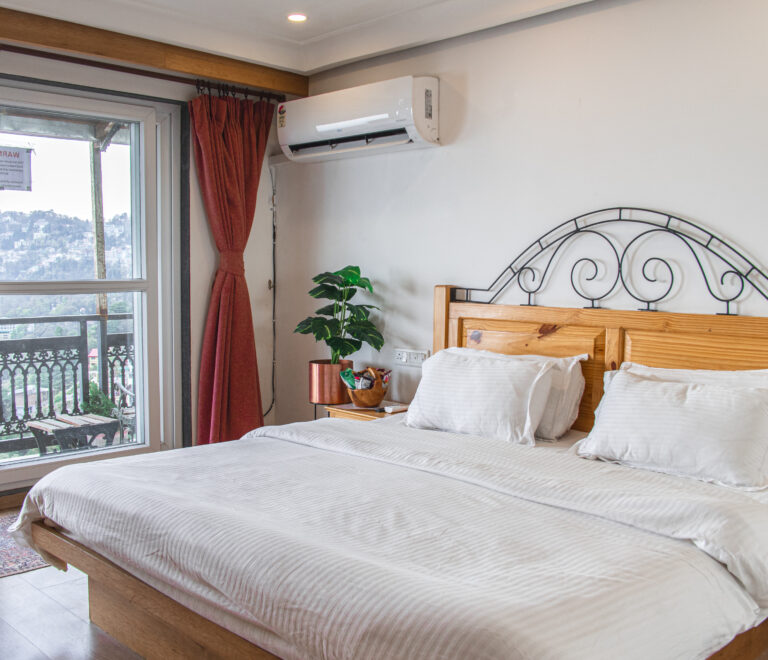
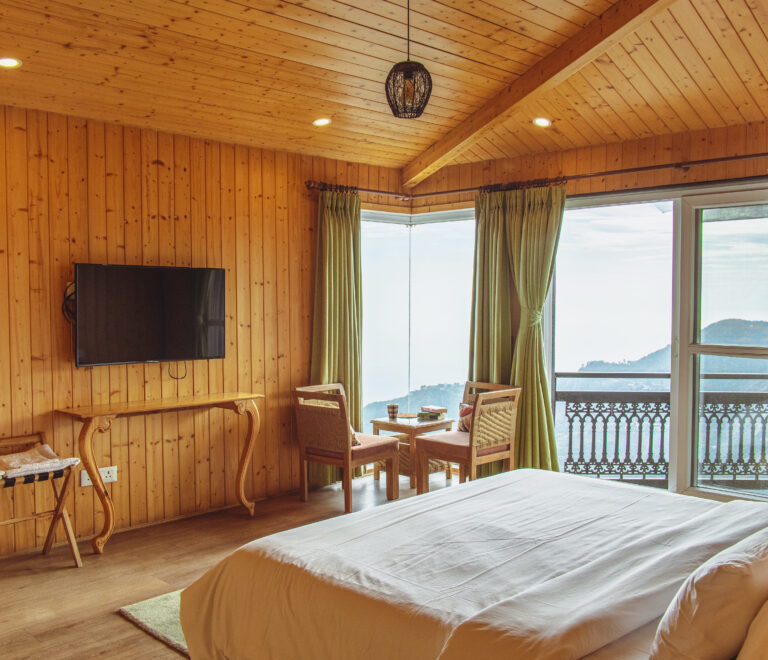
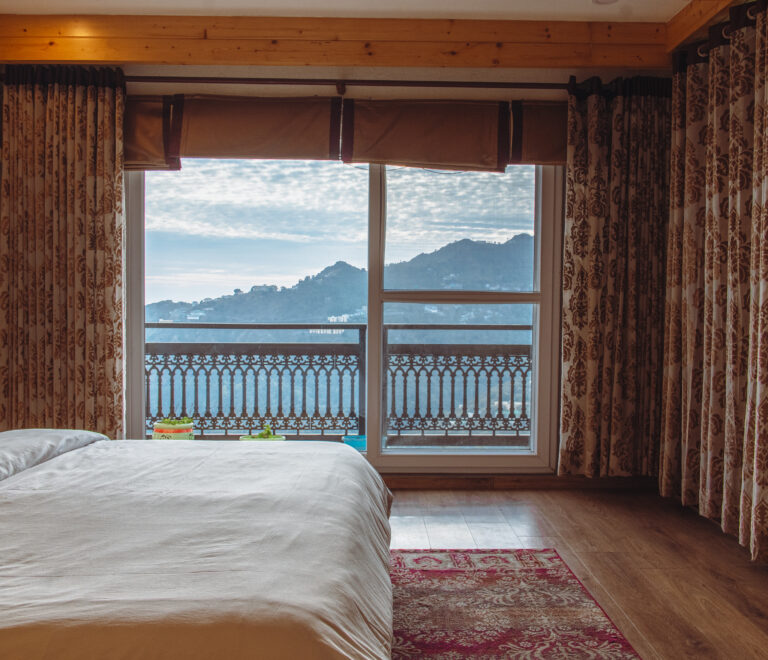
While you can easily visit Lal Tibba from anywhere in Mussoorie, staying nearby allows you to experience Landour’s charm fully. If you’re travelling with family, consider a family-friendly homestay in Mussoorie like Chalet by The Manor House. For couples or solo travellers, boutique accommodations in Landour provide a cosy escape.
To decide on the ideal place, explore the best area to stay in Mussoorie guide, which breaks down options based on your travel style.
History and Heritage of Lal Tibba
Lal Tibba has a rich colonial history dating back to the British Raj. Landour, where Lal Tibba is located, was originally established as a convalescent station for the British army. Many colonial-era bungalows, churches, and cantonments still exist here, giving Lal Tibba its old-world charm.
Even today, walking around Landour feels like stepping back in time. Writers and celebrities like Ruskin Bond, Vishal Bhardwaj, and Tom Alter have had strong connections with this region, adding to its cultural significance.
Travel Tips for Lal Tibba Mussoorie
- Visit Early Morning or Evening: To catch the best views and avoid crowds.
- Carry Light Woollens: Even in summer, evenings can get chilly.
- Avoid the Monsoon if Possible: Roads can be slippery.
- Try Local Food: Don’t miss pancakes and bun omelettes at Char Dukan.
- Plan Your Stay: Book in advance if you wish to stay in Landour, as options are limited.
Perfect for All Travellers
- For Couples: Romantic sunsets, quiet cafés, and cosy walks.
- For Families: Safe and peaceful with great food options for kids.
- For Solo Travellers: A chance to read, write, and relax amidst nature.
- For Photographers: Snow peaks, crimson skies, and colonial charm.
Conclusion
A visit to Lal Tibba Mussoorie is a journey into serenity, history, and Himalayan beauty. From the short and scenic Mussoorie to Lal Tibba, driving to savour hot tea at Lal Tibba Char Dukan Mussoorie, every moment here feels special. Add to that the crisp mountain air and the surreal views of snow-clad peaks, and it’s easy to see why Lal Tibba is considered one of the jewels of Mussoorie.
Whether you’re planning a quick trip or an extended stay, Lal Tibba Mussoorie deserves a spot on your itinerary. For more inspiration, explore our Mussoorie travel blog and discover more hidden gems in the Queen of Hills.
People also ask
What is Lal Tibba famous for?
Lal Tibba is famous for being the highest viewpoint in Mussoorie. It offers stunning panoramic views of the Himalayan ranges, peaceful surroundings, and beautiful sunrise and sunset views.
Which is better, Lal Tibba or Gun Hill?
Both attractions are worth visiting. Lal Tibba is ideal for nature lovers and those seeking peaceful mountain views, while Gun Hill is popular for its ropeway ride, lively atmosphere, and views of Mussoorie town.
Is Mount Everest visible from Lal Tibba?
No, Mount Everest is not visible from Lal Tibba. On clear days, visitors can see several Himalayan peaks, including Bandarpunch, Kedarnath, and Chaukhamba.
Is Lal Tibba accessible by car?
Yes, Lal Tibba can be reached by car or taxi. It is around a 15–20 minute drive from Mussoorie Mall Road, although parking may be limited during peak tourist seasons.
What is the best time to visit Lal Tibba?
The best time to visit Lal Tibba is between March and June and from September to November, when the weather is pleasant and the mountain views are usually clear.
Are Landour and Lal Tibba the same?
No. Landour is a quiet hill cantonment located near Mussoorie, while Lal Tibba is a famous viewpoint situated within Landour. Visitors often explore both during the same trip.
FAQs
1. Is there an entry fee for Lal Tibba Mussoorie?
No, there is no entry fee to visit Lal Tibba. However, if you wish to use the telescope at the viewpoint, a small charge may apply.
2. How much time is needed to explore Lal Tibba?
Most visitors spend around 1 to 2 hours exploring Lal Tibba, enjoying the viewpoint, visiting Char Dukan, and taking photographs.
3. Can I visit Lal Tibba with children and senior citizens?
Yes. Lal Tibba is suitable for families, children, and senior citizens. The road is accessible by car, although a short walk may be required near the viewpoint.
4. Are there restaurants and cafés near Lal Tibba?
Yes. The nearby Char Dukan area has several cafés and eateries serving pancakes, waffles, sandwiches, Maggi, tea, coffee, and local snacks.
5. Is parking available at Lal Tibba?
Limited parking is available near Lal Tibba. During weekends and peak tourist seasons, it is advisable to arrive early to find a parking spot.
6. Can I see the Himalayas from Lal Tibba?
Yes. On clear days, Lal Tibba offers spectacular views of snow-covered Himalayan peaks, making it one of the best viewpoints in Mussoorie.
7. Is Lal Tibba open throughout the year?
Yes. Lal Tibba remains open all year round. Every season offers a different experience, from lush green landscapes in summer to snow-covered views in winter.
8. Is Lal Tibba suitable for photography?
Absolutely. The panoramic mountain views, colonial architecture, pine forests, and beautiful sunrise and sunset make Lal Tibba one of the most photogenic places in Mussoorie.
9. What should I carry while visiting Lal Tibba?
Carry comfortable walking shoes, a light jacket even during summer, drinking water, sunscreen, sunglasses, and a camera to capture the scenic views.
10. Can Lal Tibba be visited in one day?
Yes. Lal Tibba is an ideal half-day or full-day excursion from Mussoorie. You can easily combine your visit with attractions like Char Dukan, Landour, Camel’s Back Road, and Mall Road for a complete sightseeing experience.