Summary
Discover the mussoorie history behind the town’s transformation from a British-era hill station into a popular holiday destination. Learn about Landour, colonial buildings, historic schools and hotels, while understanding how the best homestay in mussoorie mall road can make exploring these places more convenient.
What You’ll Learn
How Chalet by The Manor House can offer a comfortable base for exploring Mussoorie.
How British officers and early settlers helped develop the town.
Why Landour, schools, hotels and colonial buildings are important to Mussoorie.
How Mussoorie changed from a British retreat into a popular holiday destination.
Where visitors can still notice the town’s historical charm today.
Introduction
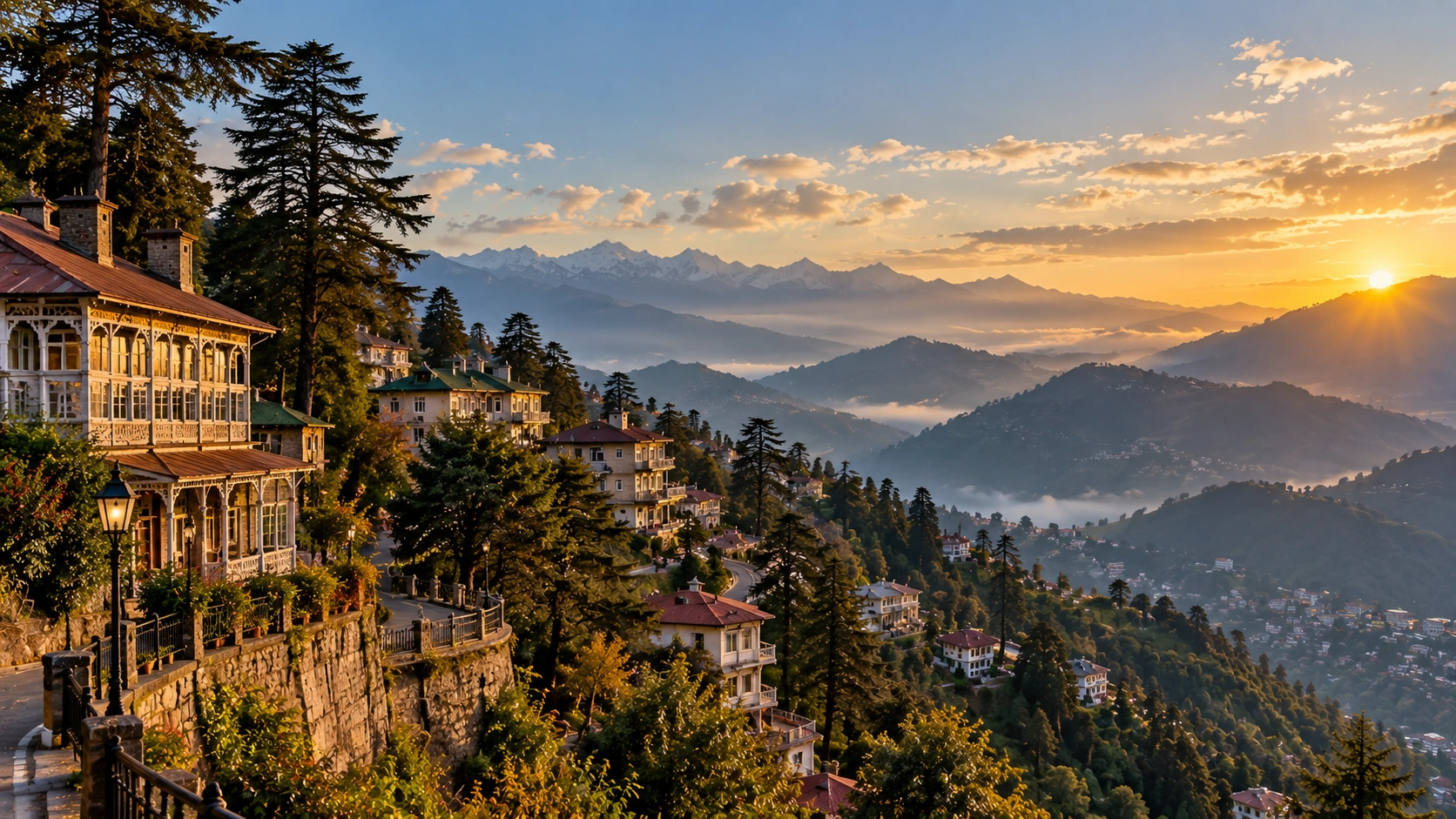
Mussoorie is known for its green hills, peaceful views, pleasant weather and charming old buildings. But behind this beauty, there is a long story of British officers, soldiers, schools, hotels and changing travel habits. Understanding mussoorie history helps visitors see the town beyond its famous viewpoints and busy Mall Road.
The town was not always a popular holiday destination. It slowly developed from a quiet mountain area into a British retreat and later became one of the most loved hill stations in Uttarakhand. Today, people visit Mussoorie for family holidays, romantic trips, nature walks and peaceful breaks from city life.
In this article, we will explore how Mussoorie first developed, why Landour became important, how colonial buildings shaped the town and how its history can still be seen today. We will also share why staying at a best homestay in mussoorie mall road can make it easier to explore the historical and cultural side of the town.
How Mussoorie First Developed During the British Era
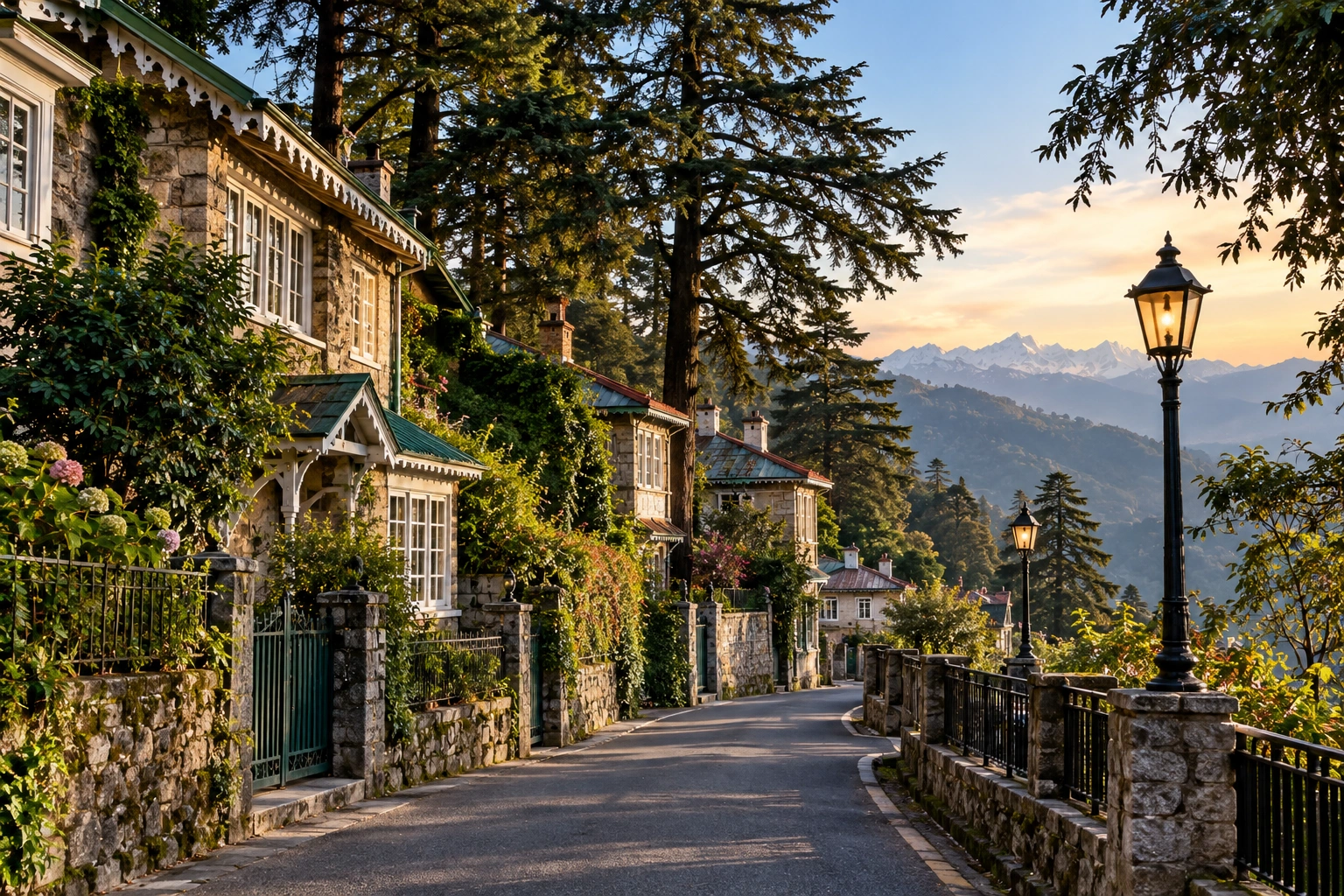
Before Mussoorie became a famous hill station, the area was mainly covered with forests and was used by local villagers for grazing cattle. The region had oak, rhododendron and deodar trees, along with beautiful mountain slopes and cool weather.
The name Mussoorie is often connected with the Mansur shrub, which grew in the area. The ridge was sometimes referred to as Mansuri by local people. Over time, the name changed into Mussoorie.
The arrival of Captain Frederick Young
The development of Mussoorie is closely connected with Captain Frederick Young, a British military officer. In the early 1820s, Young and F. J. Shore explored the hills near Dehradun. They built a small shooting lodge around the Camel’s Back area, which became one of the earliest British structures in the region.
Young later built a house called Mullingar. It was named after his home area in Ireland and became one of the earliest permanent houses in Mussoorie-Landour. This house showed that the British were beginning to see the hills as a place for living, resting and escaping the heat of the plains.
Why the British preferred hill stations
The plains of India became extremely hot during summer. British officers and families searched for cooler places where they could relax and recover from the heat. Mussoorie’s height, fresh air and mountain climate made it a suitable location.
The area also offered:
Cooler summer temperatures.
Fresh mountain air.
Forests and open spaces.
Beautiful views of the Doon Valley.
A peaceful setting away from crowded cities.
Mussoorie gradually started attracting more British officers, families and travellers. It was not built in one single year. Instead, it grew slowly as more people arrived and began constructing homes, roads and public buildings.
By the 1820s, Mussoorie had started becoming a recognised British hill settlement. In 1826, it developed further as a sanitarium, while Landour became an important place for the recovery of British soldiers.
The Role of Landour, Soldiers and Early British Settlers
Landour played a major role in the early development of Mussoorie. Today, Mussoorie and Landour are closely connected, but during the British period, they had different purposes.
Mussoorie slowly became a social and holiday centre, while Landour was developed mainly as a military cantonment and recovery centre for British soldiers.
Landour as a military settlement
Landour was established for British Indian Army officers and soldiers. A convalescent depot was created there in 1827, allowing soldiers to rest and recover in the cooler mountain climate.
This made Landour different from the more social side of Mussoorie. The area had military buildings, churches, quiet roads and large old homes. Many of these structures still give Landour its peaceful and old-world atmosphere.
The early settlement included:
Military homes and cantonment buildings.
Churches built for British residents.
Resting and recovery centres for soldiers.
Large houses surrounded by trees.
Small shops and local settlements.
Mullingar and the early houses
Captain Frederick Young’s house, Mullingar, is considered one of the earliest permanent buildings in the Mussoorie-Landour area. Its presence shows how the region changed from a forested hillside into a residential settlement.
Other British settlers followed Young and built homes, cottages and estates. Some houses were used only during the summer, while others became permanent residences.
The British also brought their own habits and lifestyle to the hills. They created walking paths, churches, clubs and spaces for social gatherings. Over time, these developments made Mussoorie more attractive to people looking for a summer retreat.
Landour’s quiet character today
Even today, Landour feels different from the busier parts of Mussoorie. Its narrow roads, old homes, tall trees and mountain views attract visitors who enjoy slow walks and peaceful surroundings.
If you are staying at the best homestay in mussoorie mall road, you can plan a short visit to Landour without staying far from the main town. A comfortable homestay in mussoorie mall road can also give you a convenient base for exploring both the lively and quieter sides of the hill station.
Landour is not only a beautiful place for photographs. It is also an important part of the town’s early military and colonial story.
How Hotels, Schools and Colonial Buildings Shaped Mussoorie
As more British families started visiting Mussoorie, the town needed better facilities. Hotels, schools, churches, libraries and public buildings slowly appeared across the hills.
These places were not only useful for residents. They also helped Mussoorie become a proper holiday town.
The growth of hotels and holiday homes
Early visitors needed places to stay during their summer trips. Large houses and estates were built for British officers, wealthy families and princely rulers. Some of these properties later became hotels or heritage stays.
Kasmanda Palace is one example of a historic property connected with Mussoorie’s colonial past. It was built in the nineteenth century and later became associated with the Kasmanda royal family. Today, such buildings help preserve the architectural history of the town.
The development of hotels made Mussoorie more accessible to travellers. Visitors no longer needed to depend only on private homes or military connections. They could come for holidays and stay for several days.
For modern travellers, choosing the best homestay in mussoorie mall road can offer a different experience from staying in a large hotel. It can provide a more personal and relaxed place to return to after exploring old streets and historical landmarks.
Schools and education in Mussoorie
Schools were another important part of Mussoorie’s growth. Many British families wanted their children to study in India instead of sending them to Europe. As a result, several schools and educational institutions developed in and around the town.
One of the early schools was Mussoorie Seminary, started by John Mackinnon in 1834. Later, schools such as Woodstock School, Wynberg Allen School and other institutions became connected with the town’s educational identity.
These schools helped Mussoorie become more than a seasonal holiday destination. Families began visiting or settling in the area because of education, climate and lifestyle.
Churches, libraries and public buildings
Colonial buildings gave Mussoorie its distinctive architectural style. Sloping roofs, stone walls, wooden windows, old churches and large verandas became common features.
Christ Church, built in 1836, is one of the well-known historic churches in Mussoorie. The Mussoorie Library, established in the nineteenth century, also became an important part of the town’s cultural life.
These buildings were used for:
Religious services.
Social gatherings.
Reading and learning.
Community meetings.
Cultural activities.
Accommodation and administration.
Walking through the older parts of Mussoorie can feel like moving through different periods of history. A modern café may stand near a colonial building, while an old church or stone house may still be surrounded by tall deodar trees.
This mix of old and new is one of the strongest features of mussoorie history.
From a British Retreat to a Favourite Holiday Destination
During the British period, Mussoorie was mainly known as a summer retreat. People came to escape the heat of the plains, enjoy the cool weather and spend time with family and friends.
Over the years, the town became more developed. Roads improved, hotels increased and more visitors started arriving from different parts of India.
The rise of tourism
Mussoorie gradually changed from a British-only retreat into a destination visited by Indian travellers as well. After Independence, the town continued to grow as a popular hill station.
People started visiting for many reasons:
Summer holidays with family.
School and college trips.
Honeymoon and couple holidays.
Weekend breaks.
Nature and photography.
Shopping and cafés.
Mountain views and peaceful weather.
Mall Road became one of the busiest and most recognisable parts of the town. It developed as a place for shopping, walking, eating and meeting other travellers.
Today, visitors can find hotels, homestays, restaurants, cafés, shops and local markets across Mussoorie. A homestay in mussoorie mall road can be useful for travellers who want to stay close to the town’s main activities while also exploring its older areas.
How travel habits have changed
Earlier, travelling to Mussoorie was a slower and more difficult experience. Roads were not as developed, and visitors often stayed for longer periods. A summer visit could last several weeks because people wanted to escape the heat for an extended time.
Today, many travellers visit Mussoorie for two or three days. They may arrive from Dehradun, Delhi or nearby cities for a short break.
This change has made Mussoorie more crowded during peak seasons, but it has also made the town easier to visit. Travellers now have many accommodation options, including the best homestay in mussoorie mall road, family stays, boutique hotels and heritage properties.
Mussoorie after Independence
After 1947, Mussoorie continued to develop as a tourist town. Its schools, hotels and historic buildings remained important, while new roads, markets and businesses appeared.
The town also became connected with writers, artists and public figures. Landour, in particular, became known for its quiet atmosphere and literary connection. The presence of writers and long-term residents added another layer to the cultural identity of Mussoorie.
Even though the town has become more modern, many parts of its British-era character remain visible. Old buildings, churches, walking paths and heritage homes continue to attract visitors.
The journey from a British retreat to a popular holiday destination is an important part of mussoorie history.
How Mussoorie’s History Still Lives On in the Town Today
Mussoorie’s history is not limited to museums or old books. It can still be seen in the streets, buildings, churches, schools and everyday atmosphere of the town.
Visitors who take time to look around can notice many small details that show how Mussoorie developed.
Old buildings and colonial architecture
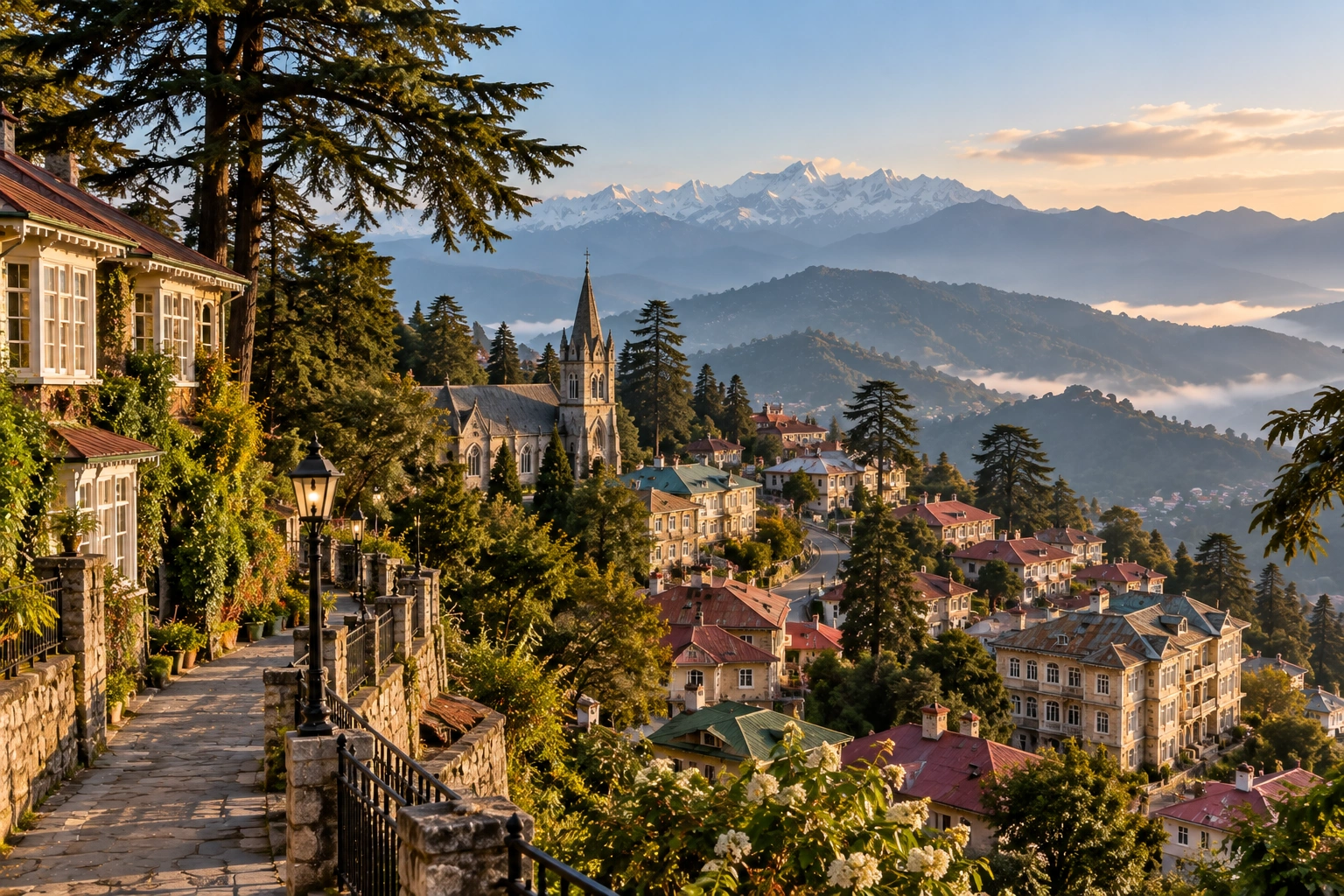
The older parts of Mussoorie and Landour still have buildings with stone walls, wooden windows, sloping roofs and wide balconies. Some buildings have been repaired or converted into hotels, cafés and homes, but their original style can still be noticed.
These structures remind visitors of the time when British families used Mussoorie as a summer retreat.
Historic churches and schools
Churches such as Christ Church and St Paul’s Church reflect the religious and social life of the British period. Historic schools also continue to play an important role in the town.
These institutions show that Mussoorie was not only built for tourism. It was also developed as a place for education, military life, family settlement and community activities.
Landour’s old-world atmosphere
Landour is one of the best places to experience the quieter side of Mussoorie’s past. The area has narrow roads, old cottages, tall trees and peaceful walking routes.
Places such as Lal Tibba and Char Dukan are now popular with visitors, but the overall atmosphere of Landour still feels slower than the busy central market.
Travellers staying at the best homestay in mussoorie mall road can visit Landour during the day and return to a comfortable stay in the main town. This makes it easier to enjoy both sides of Mussoorie without spending too much time travelling.
Heritage and modern tourism together
Mussoorie today is a mixture of history and modern life. You may see an old colonial house beside a new café, or a historic church near a busy road. This combination gives the town its special character.
For visitors, staying at the best homestay in mussoorie mall road can make it easier to explore heritage buildings, local markets and popular attractions. At the same time, a peaceful homestay gives travellers a comfortable place to relax after a day of walking.
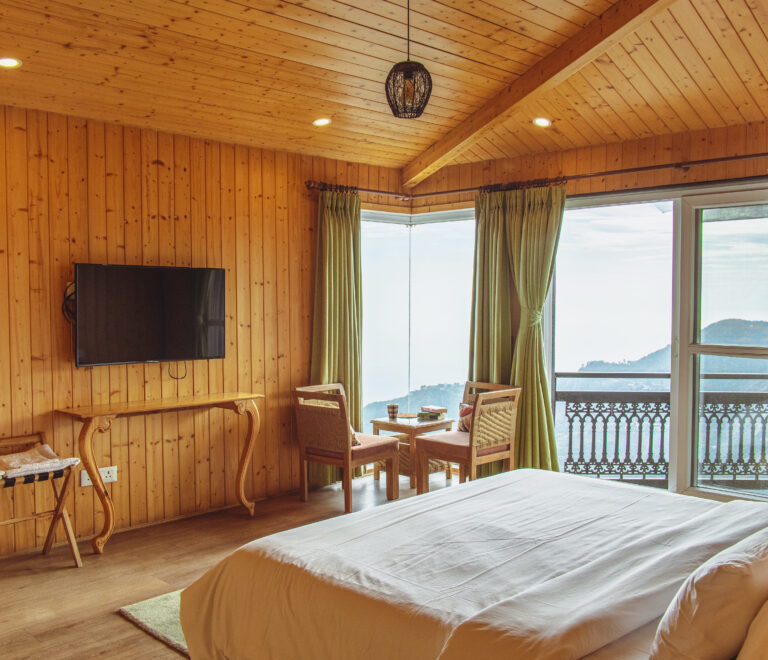
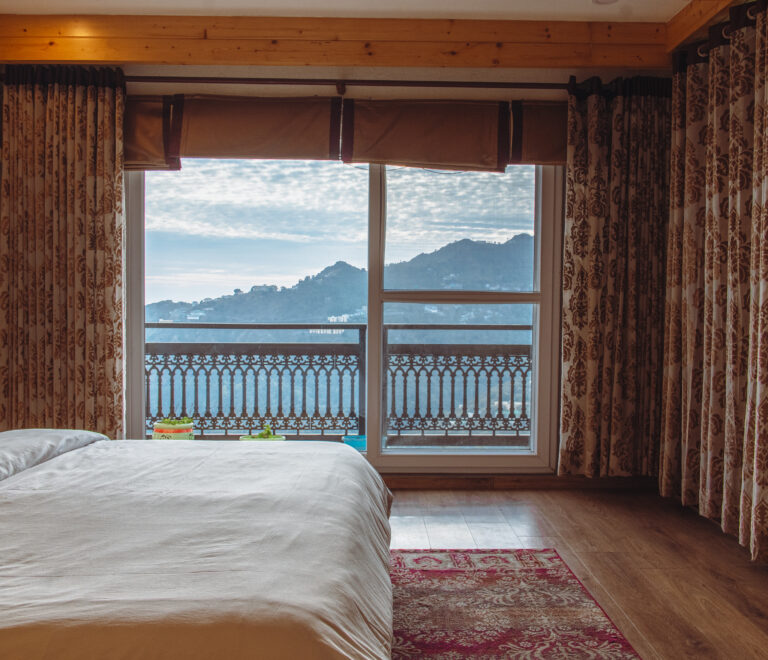
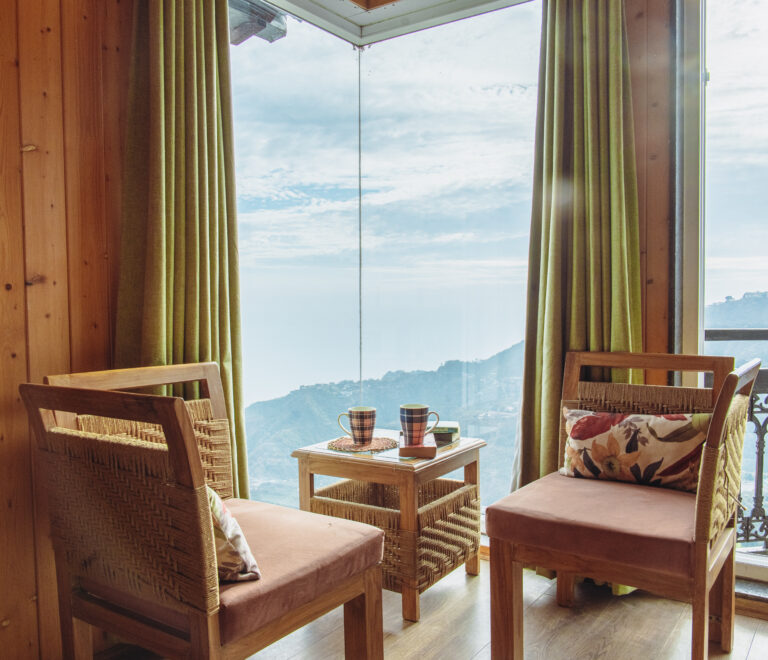
Chalet by The Manor House is one option for travellers who want a convenient stay near the main town while exploring Mussoorie’s natural beauty and historical charm.
The best way to understand mussoorie history is to explore slowly. Walk through old streets, notice the architecture, visit historic places and take time to understand how the town changed over the years.
Conclusion
The story of mussoorie history shows how a quiet mountain region slowly became a well-known holiday town. From British officers and soldiers to historic schools, hotels, churches and colonial buildings, every period has added something special to Mussoorie’s identity. Even today, the old-world charm can be seen while walking through Landour, exploring heritage streets or enjoying the views from the hills.
For travellers who want to explore these places comfortably, Chalet by The Manor House is a convenient choice for anyone searching for the best homestay in mussoorie mall road. Staying at a homestay in mussoorie mall road makes it easier to enjoy the town’s historic attractions, local cafés and famous walking areas. With a peaceful place to return to after sightseeing, your Mussoorie trip can become more relaxed, comfortable and memorable.
People Also Ask
When did Mussoorie become a hill station?
Mussoorie began developing as a British hill station during the 1820s. Captain Frederick Young and F. J. Shore helped establish the early settlement around 1823–1825.
Who built the first house in Mussoorie?
Captain Frederick Young built Mullingar, one of the earliest permanent houses in the Mussoorie-Landour area. It was named after his hometown in Ireland.
Why was Landour developed by the British?
Landour was developed mainly as a military cantonment and recovery centre for British soldiers. A sanatorium was established there in 1827 because of the cool and healthy mountain climate.
What was Mussoorie like before British rule?
Before British development, the Mussoorie ridge was mainly covered with forests and used by local villagers for grazing cattle. The area was also known for the Mansur shrub, which is linked to the town’s name.
How did Mussoorie become a popular tourist destination?
Mussoorie grew through the development of roads, hotels, schools, churches, markets and holiday homes. Better connectivity and its pleasant climate later made it a popular destination for travellers from different parts of India.
Frequently Asked Questions
Who is considered the founder of Mussoorie?
Captain Frederick Young is commonly connected with the early development of Mussoorie as a British settlement.
When did Mussoorie start developing as a hill station?
Mussoorie began developing as a British hill retreat during the 1820s, with further growth in the following decades.
Why is Landour important in Mussoorie history?
Landour was developed as a British military cantonment and recovery centre for soldiers during the colonial period.
Which historic buildings can be seen in Mussoorie?
Visitors can explore old churches, colonial homes, heritage hotels, schools and the historic Mussoorie Library.
Is Mussoorie still a good place for a historical holiday?
Yes. Visitors can explore old streets, Landour, colonial architecture, churches and heritage properties while enjoying the town’s scenic surroundings.