Mussoorie transforms dramatically during the monsoon. As clouds roll in and rain washes over the hills, the Queen of the Hills sheds its tourist-heavy image and reveals a quieter, more romantic side. But is visiting Mussoorie in monsoon actually a good idea?
This blog answers the most common questions travellers have about visiting Mussoorie during the rainy season covering weather conditions, safety concerns, scenic advantages, and practical travel tips to help you decide if a monsoon trip is right for you.
What Is Monsoon Season in Mussoorie Like?
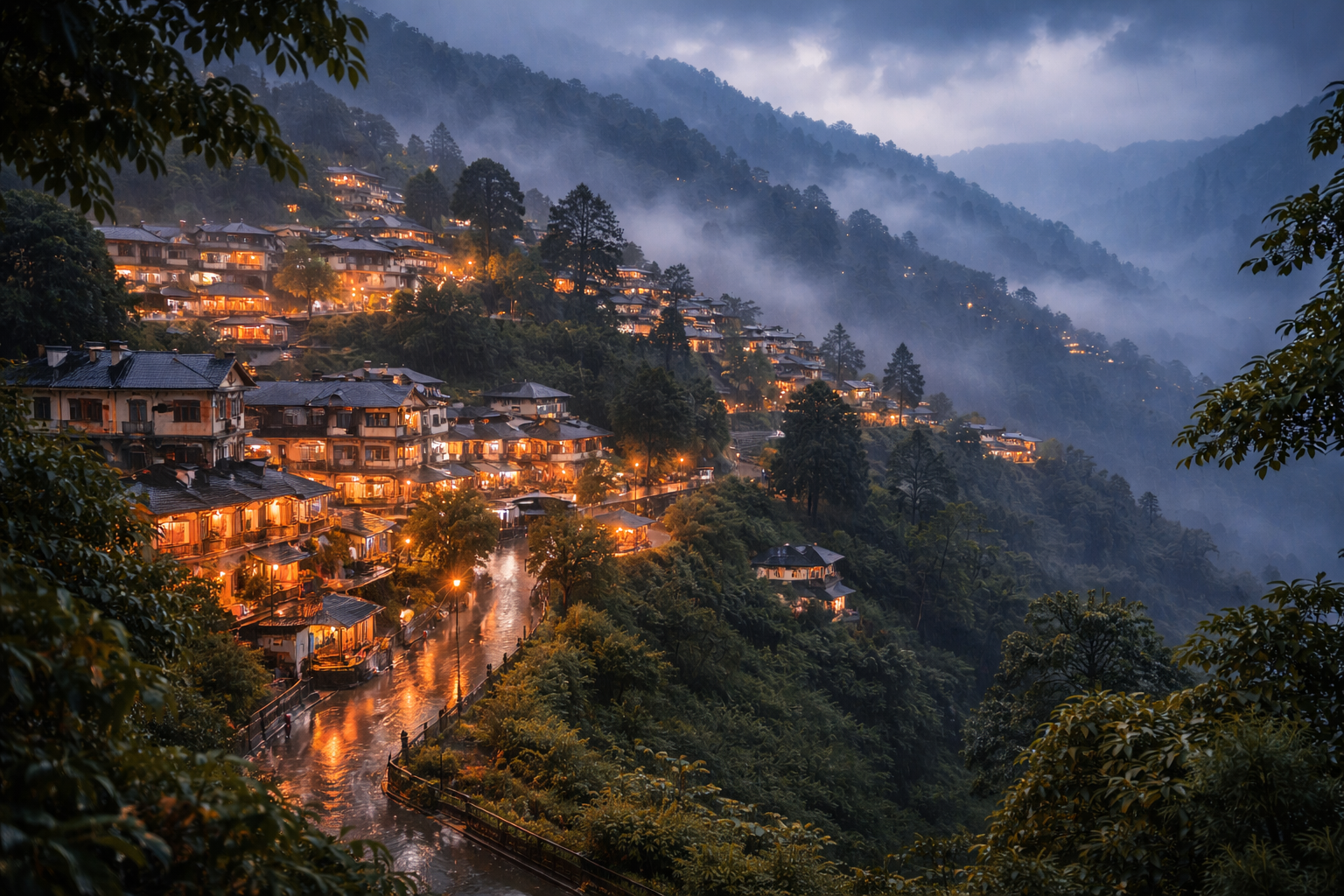
The monsoon season in Mussoorie typically begins in late June and lasts until early September. During this time, the town experiences frequent rainfall, mist-covered hills, and cooler temperatures.
Unlike peak summer months, Mussoorie in monsoon feels calmer, greener, and far less crowded. This quieter side of the hill station is also reflected in what Mussoorie is famous for beyond peak tourist season.
Why Some Travellers Love Mussoorie During Monsoon
Monsoon isn’t for everyone, but for the right kind of traveller, it can be magical.
1. Lush Green Landscapes
Rain transforms Mussoorie’s forests into deep green stretches, with stronger waterfalls and fresher air. This natural beauty becomes even more noticeable when exploring top tourist destinations in Mussoorie during quieter hours.
2. Misty Views & Cloud Play
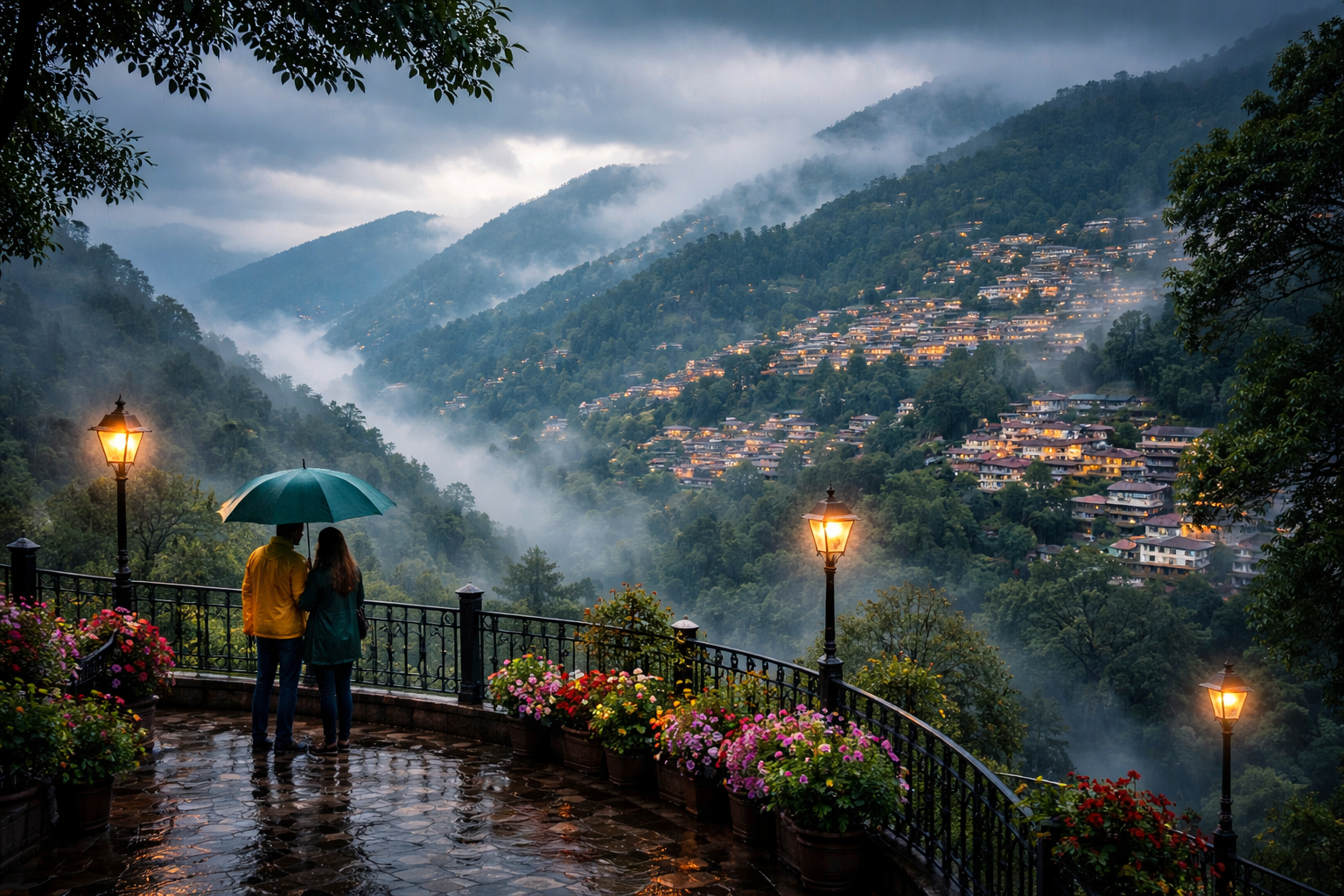
One of the biggest highlights of Mussoorie during monsoon is watching clouds drift through valleys and roads. While visibility may be limited at times, the atmosphere feels cinematic and peaceful.
3. Fewer Tourists
If you dislike crowds, monsoon is one of the best times to visit Mussoorie. Even busy areas slow down, making experiences around things to do on Mall Road in Mussoorie far more relaxed.
4. Better Stay Deals
Many accommodations offer better pricing during the rainy season. Monsoon is ideal for travellers seeking privacy, value, and calm—especially when choosing luxury homestays in Mussoorie located away from traffic-heavy zones.
Is Mussoorie Safe in Monsoon?
Safety is the most common concern when planning a monsoon trip to Mussoorie.
Road Conditions
Major roads usually remain open, but occasional landslides or delays can occur after heavy rainfall. Travelling during daylight hours is recommended, particularly if you’re planning a weekend getaway from Dehradun to Mussoorie.
Walking & Exploration
Wet roads can be slippery, especially on slopes. Proper footwear is essential, and steep trails should be avoided during heavy rain.
Weather Awareness
Checking daily forecasts and keeping plans flexible is key. Monsoon travel works best when you don’t rush or overpack your itinerary.
Overall, Mussoorie is safe in monsoon if you travel mindfully and avoid unnecessary risks.
Best Places to Visit in Mussoorie During Monsoon
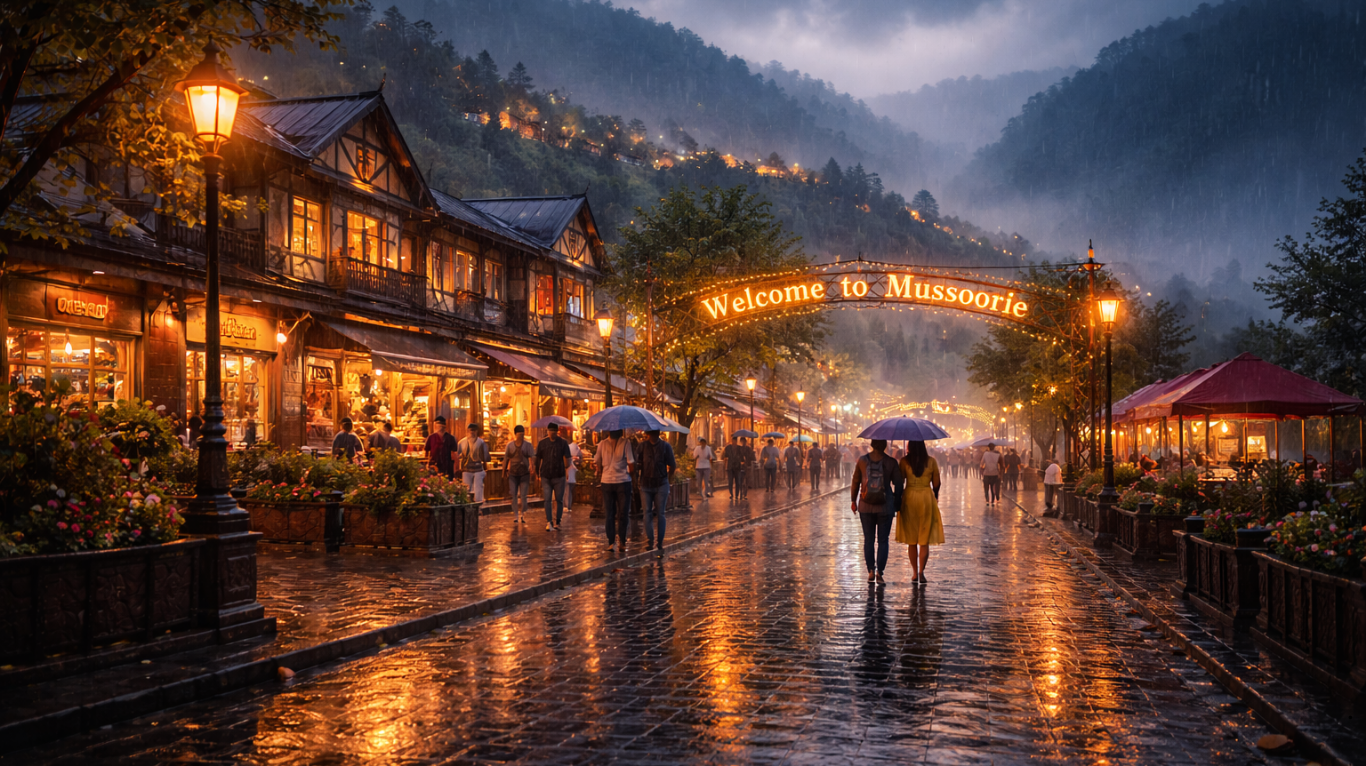
Monsoon travel is less about ticking landmarks and more about atmosphere.
Landour Area
Quiet roads, colonial homes, and misty surroundings make Landour especially beautiful during monsoon. This calm side of the hills is explored in detail in the Lal Tibba Mussoorie travel guide.
Camel’s Back Road (Between Showers)
Short walks during light rain or just after showers feel incredibly peaceful here. Early mornings work best, as explained in this guide to Camel’s Back Road in Mussoorie.
Company Garden
The garden looks greener and fresher during monsoon, especially in the morning hours. Visiting early is ideal, as covered in the Company Garden Mussoorie travel guide.
Rather than chasing viewpoints, monsoon travel in Mussoorie rewards slow walks and relaxed exploration.
What to Avoid During Monsoon in Mussoorie
To enjoy Mussoorie safely in the rainy season, it’s best to avoid:
Steep hiking trails during heavy rain
Late-night driving on hill roads
Overpacked sightseeing schedules
Outdoor plans without weather backup
If you’re planning a short trip, understanding whether 2 days are enough for Mussoorie helps keep expectations realistic during monsoon.
What to Pack for Mussoorie in Monsoon
Packing smart makes a big difference.
Essentials include:
Waterproof jacket or poncho
Comfortable, anti-slip footwear
Umbrella
Light woollens for chilly evenings
Extra socks and quick-dry clothing
Best Time Within Monsoon to Visit Mussoorie
Early July: Fresh greenery with fewer travel disruptions
Mid-August: Peak greenery but heavier rainfall
Early September: Lighter rain with clearer views
For a detailed seasonal breakdown, refer to this month-by-month guide on the best time to visit Mussoorie.
Where to Stay in Mussoorie During Monsoon
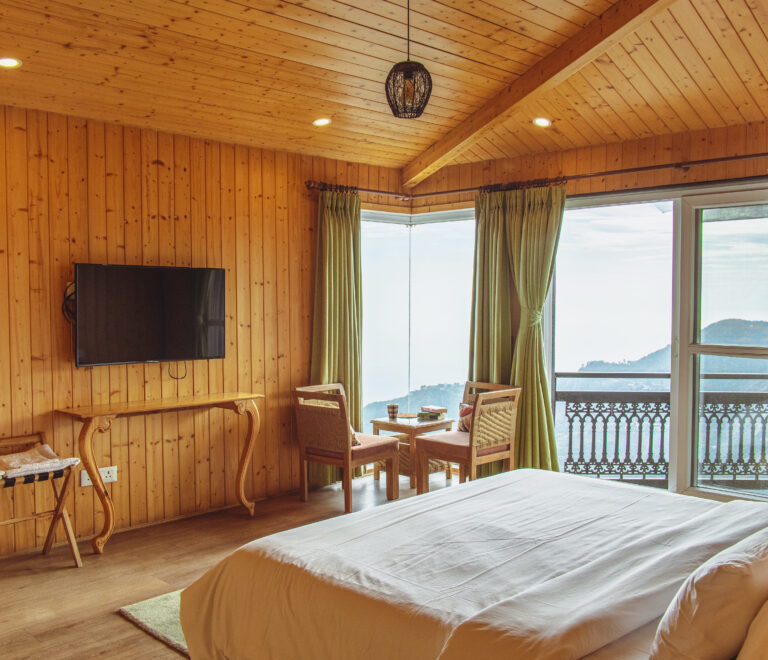
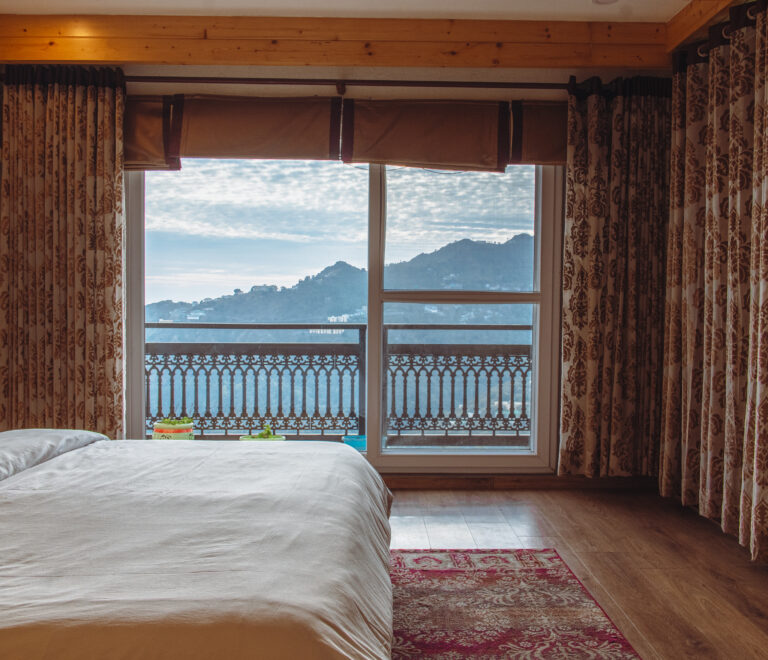
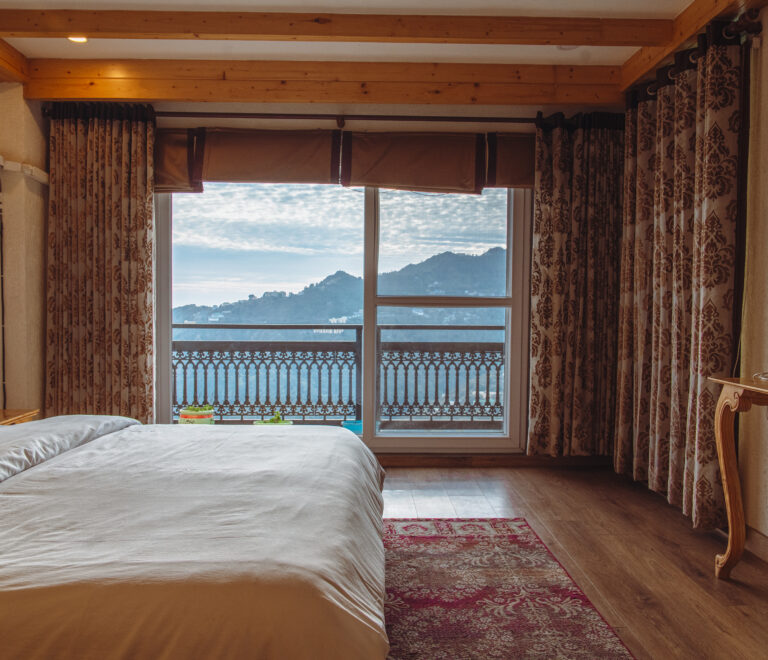
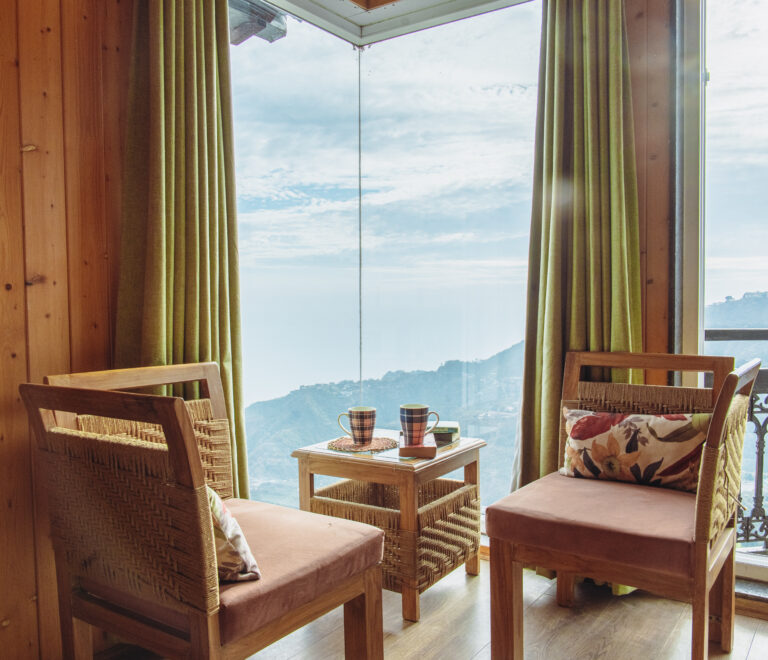
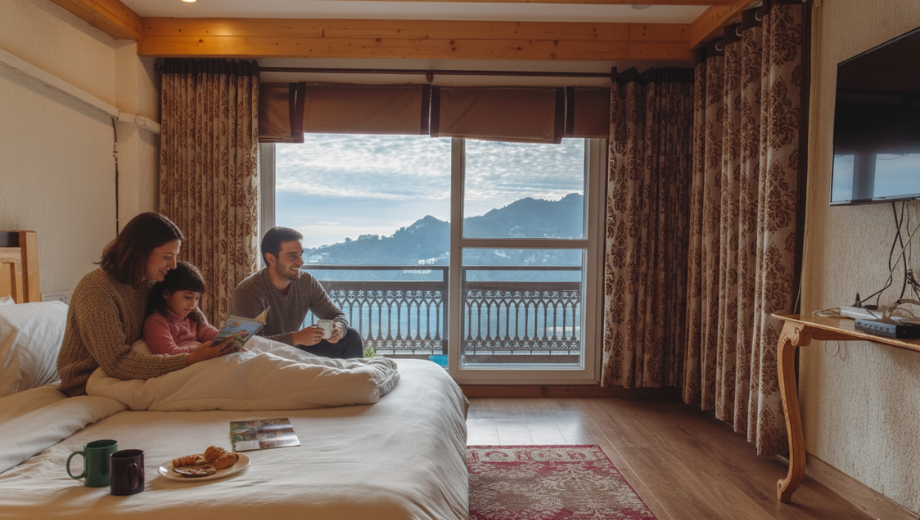
Choosing the right accommodation is crucial during monsoon. A peaceful, view-facing stay away from congested roads allows you to enjoy the rain comfortably.
Staying at a calm, well-connected property like Chalet by The Manor House ensures comfort, privacy, and easy access—even during wet weather.
If you’re still deciding, this guide on where to stay in Mussoorie helps you choose safer, quieter areas.
Who Should Visit Mussoorie in Monsoon?
Monsoon is perfect for:
Couples seeking quiet, romantic stays
Slow travellers and writers
Nature lovers
Travellers who value atmosphere over packed itineraries
It may not suit travellers looking for adventure-heavy activities or rigid sightseeing plans.
Final Verdict: Is Mussoorie Worth Visiting in Monsoon?
Yes, Mussoorie in monsoon is absolutely worth visiting if you value peace, greenery, and a slower travel experience. While weather-related challenges exist, the rewards are unmatched calm, beauty, and intimacy with nature.
If you let go of rigid plans and embrace the rain, Mussoorie reveals a side most travellers never see.