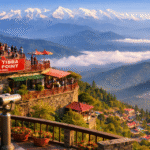
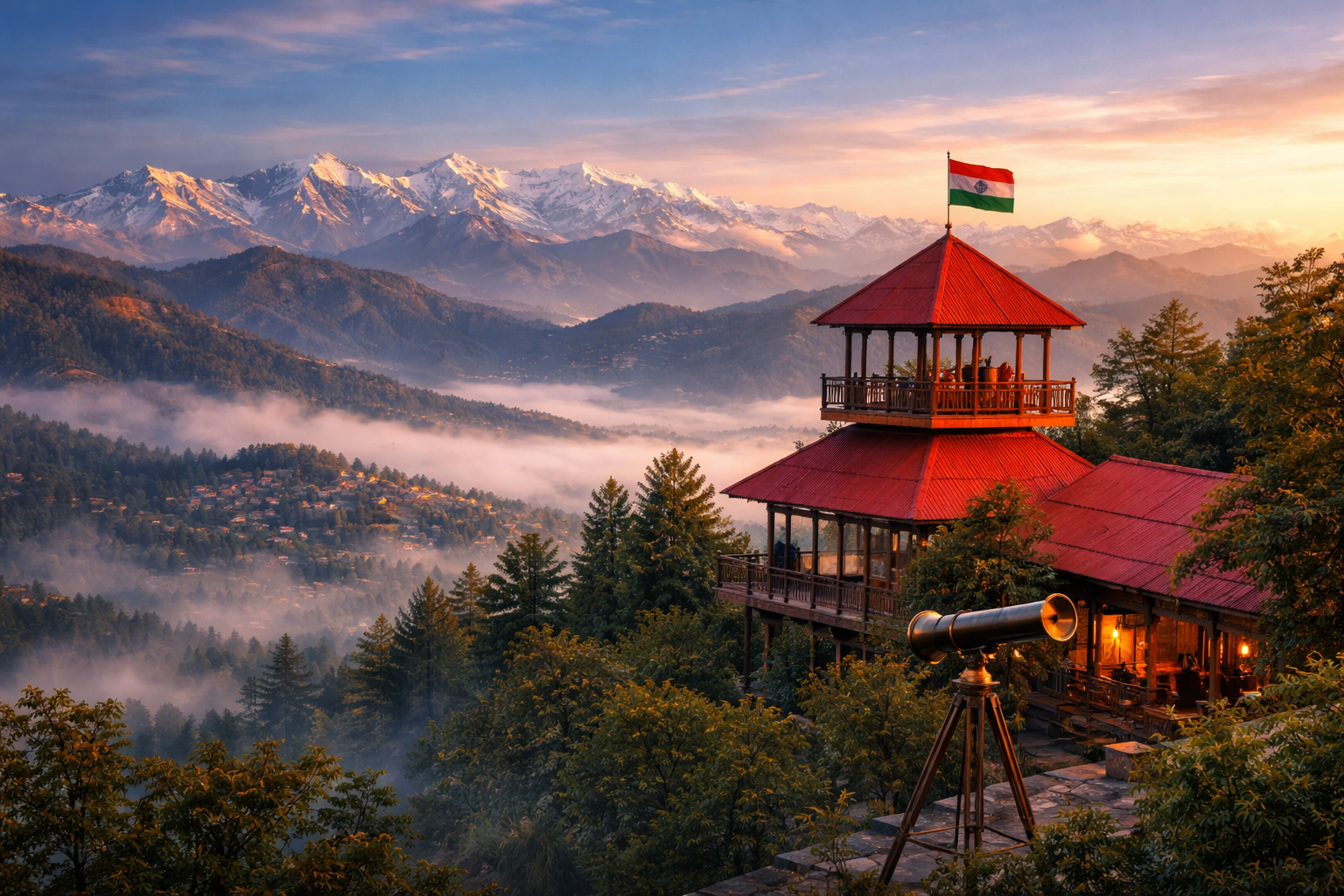
Perched quietly in the serene hills of Landour, Lal Tibba Scenic Point is not just a viewpoint—it’s an experience that depends heavily on timing.
You could visit Lal Tibba on two different days and walk away with completely different impressions. One day, it might offer crystal-clear views of the Himalayas; another day, it could be wrapped in mist, hiding everything behind a blanket of clouds.
So the real question is not just whether to visit Lal Tibba, but when to visit it.
In this guide, we’ll break down:
- The best time of day to visit Lal Tibba
- The best seasons for a visit
- What makes Lal Tibba truly special
- And how to plan your visit for the best experience
What is the Best Time of Day to Visit Lal Tibba?
Timing is everything when it comes to Lal Tibba. Since it’s a viewpoint, your entire experience depends on visibility and light conditions.
Let’s break it down
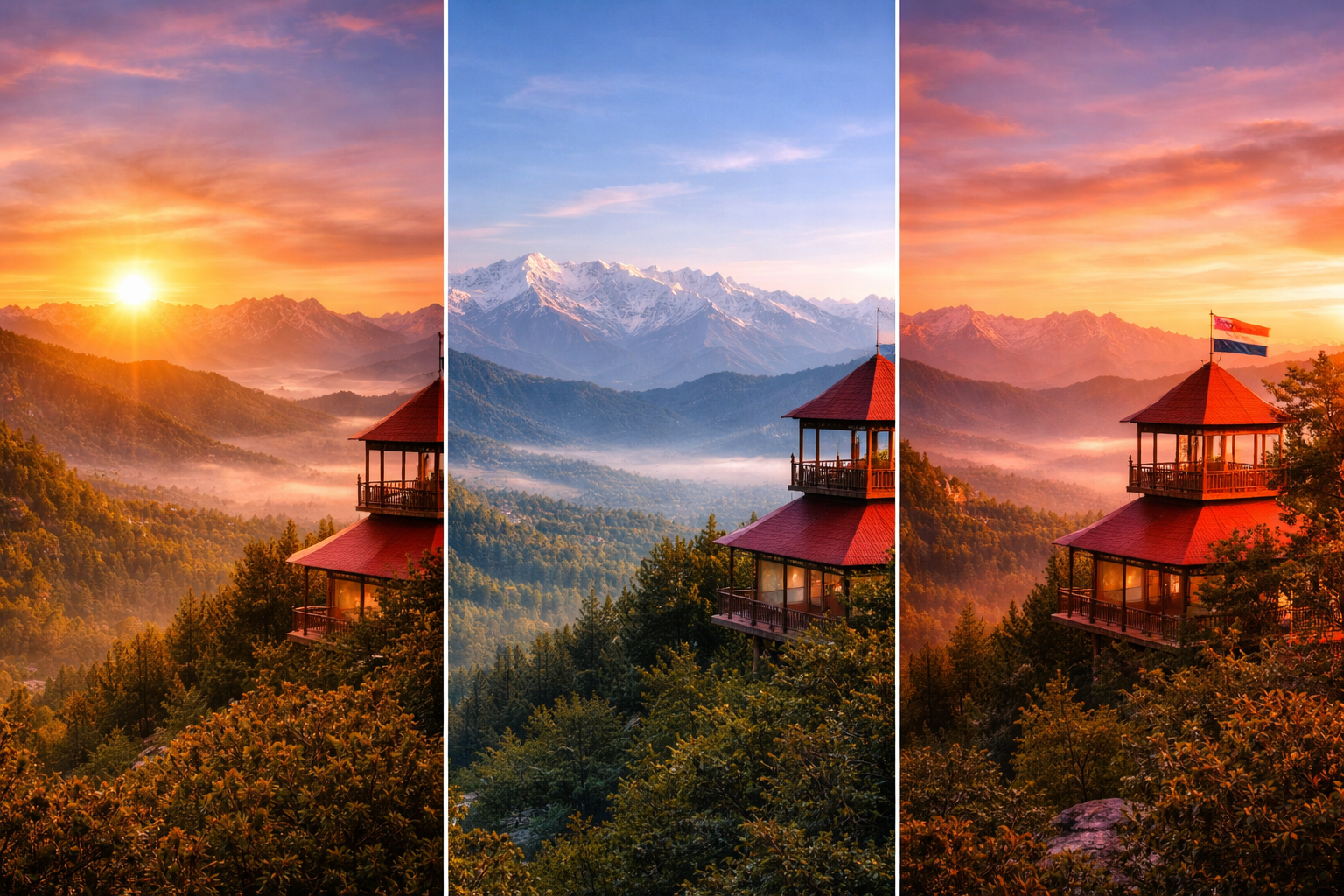
Early Morning (6:00 AM – 9:00 AM) — The Absolute Best Time
If you ask locals or frequent travelers, they’ll all give you the same answer early morning is the best time to visit Lal Tibba.
Why Morning is Perfect
- Crystal-Clear Views
The air is fresh and pollution-free, offering the clearest visibility of Himalayan peaks. - Minimal Crowd
You’ll often find the place peaceful, almost meditative. - Cool, Fresh Weather
Perfect for enjoying the natural surroundings without discomfort. - Golden Sunrise Glow
Watching sunlight slowly hit the snow-capped peaks is an unforgettable experience.
If you’re planning a relaxed itinerary, combine your morning visit with scenic explorations like Camel Back Road Mussoorie or heritage spots like Christ Church Mussoorie.
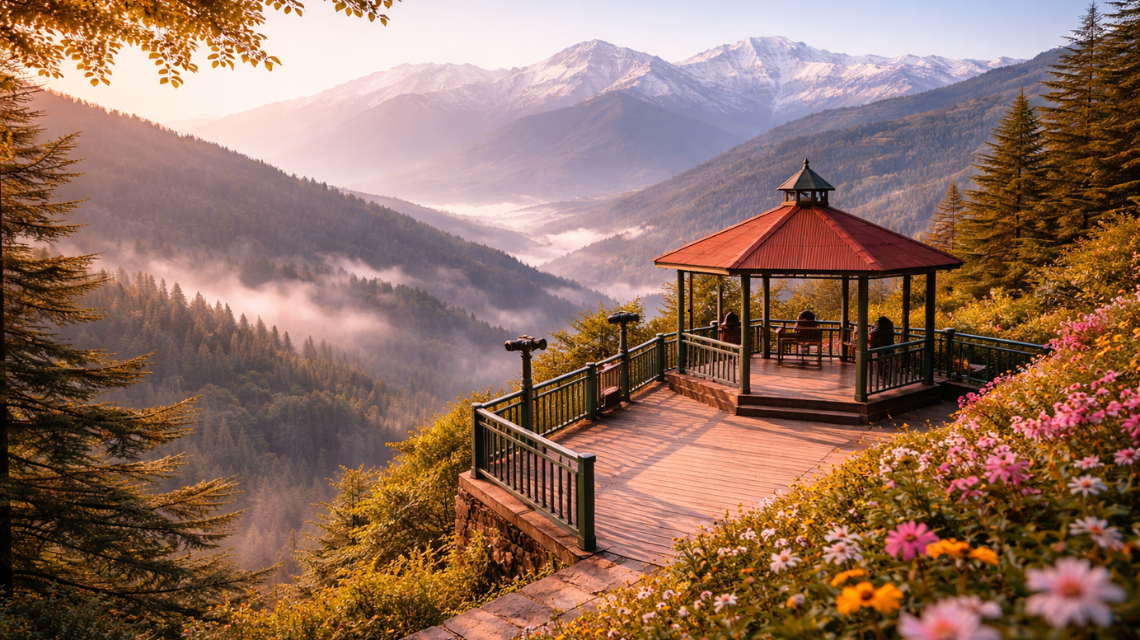
Sunset Time (4:30 PM – 6:30 PM) — A Close Second
If waking up early isn’t your thing, sunset is your next best option.
Why Sunset Works Well
- Golden Hour Views
The mountains glow in warm hues, creating a magical visual experience. - Romantic Atmosphere
Ideal for couples and photography lovers. - Pleasant Weather
Not too hot, not too cold—just comfortable.
This is a great time if you’re exploring places like Gun Hill Point Mussoorie during the day and want to end your trip at Lal Tibba.
Afternoon (11:00 AM – 3:00 PM) — Not Recommended
While Lal Tibba is open throughout the day, afternoons are not ideal.
Why to Avoid Afternoon Visits
- Haze & Reduced Visibility
Heat often creates a hazy layer, blocking mountain views. - Higher Crowd Levels
Most tourists visit during this time. - Less Atmospheric Beauty
The lighting is harsh, reducing the charm of the landscape.
Evening/Night — Not Ideal
Lal Tibba is primarily a daytime attraction.
- Limited visibility after sunset
- No significant night views
- Most visitors leave by evening
Stick to morning or sunset for the best experience.
When to Visit Lal Tibba? (Best Season Guide)
Beyond time of day, the season you choose also plays a major role.
Summer (March to June) — Best Overall Season
This is the most popular and reliable time to visit Lal Tibba.
What to Expect
- Clear skies
- Pleasant weather (15°C to 25°C)
- Excellent visibility
Perfect for:
- Families
- Couples
- First-time visitors
You can combine your visit with relaxing spots like Company Garden Mussoorie or scenic drives toward Cloud End Mussoorie.
Monsoon (July to September) — For Nature Lovers
Monsoon transforms the region into a lush green paradise.
What to Expect
- Dense greenery
- Misty atmosphere
- Frequent clouds
Downsides
- Limited mountain visibility
- Slippery roads
Ideal if you love:
- Quiet surroundings
- Dramatic weather
- Off-season travel
Autumn (October to November) — Hidden Gem Season
This is one of the most underrated times to visit Lal Tibba.
Why It’s Great
- Clear post-monsoon skies
- Crisp air
- Fewer crowds
Perfect for:
- Photography
- Peaceful travel
Winter (December to February) — Magical but Unpredictable
Winter gives Lal Tibba a completely different vibe.
What to Expect
- Cold weather
- Possible snowfall
- Snow-covered landscapes
Challenges
- Visibility may vary
- Very low temperatures
Best for travelers who enjoy:
- Snow
- Quiet retreats
- Unique experiences
What is Lal Tibba Speciality?
Now let’s talk about what truly makes Lal Tibba stand out from other viewpoints in Mussoorie.
1. The Highest Viewpoint in Mussoorie
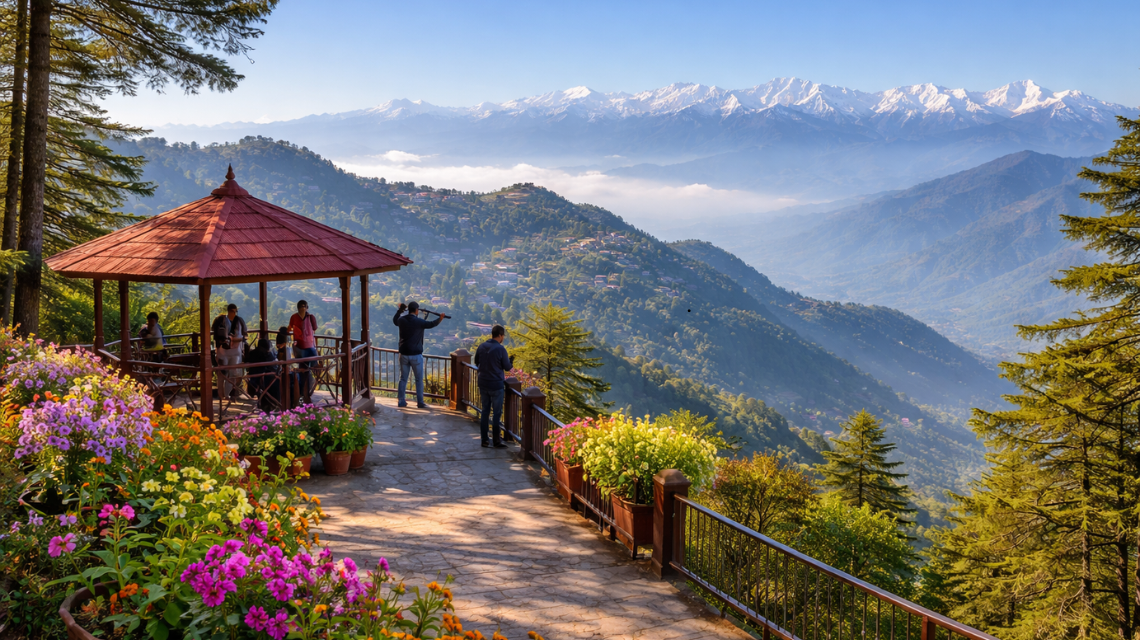
Lal Tibba is known as the highest point in the Mussoorie region, offering panoramic views that are hard to match.
2. Direct Views of the Himalayan Peaks
Unlike many viewpoints that offer distant or blocked views, Lal Tibba provides a clear line of sight to major Himalayan ranges.
On clear days, you can spot:
- Kedarnath Peak
- Badrinath Range
- Other snow-covered mountains
3. Telescope Viewing Experience
One of Lal Tibba’s unique features is its installed telescopes.
For a small fee, you can:
- Zoom into distant peaks
- Identify mountain ranges
- Experience a closer view of the Himalayas
4. Peaceful Landour Vibe
Located in Landour, Lal Tibba is far removed from Mussoorie’s chaos.
Here, you’ll find:
- Quiet roads
- Pine forests
- Colonial charm
5. A Place for Slow Travel
Lal Tibba is not about rushing—it’s about:
- Sitting quietly
- Observing nature
- Taking in the moment
And that’s exactly what makes it special.
How to Plan the Perfect Visit to Lal Tibba
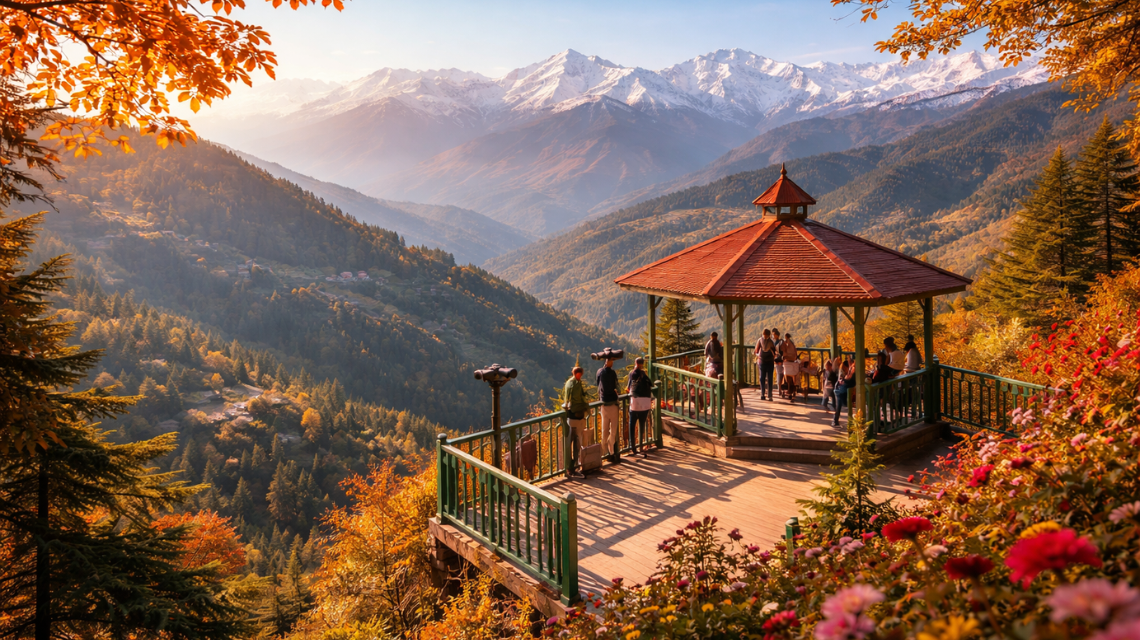
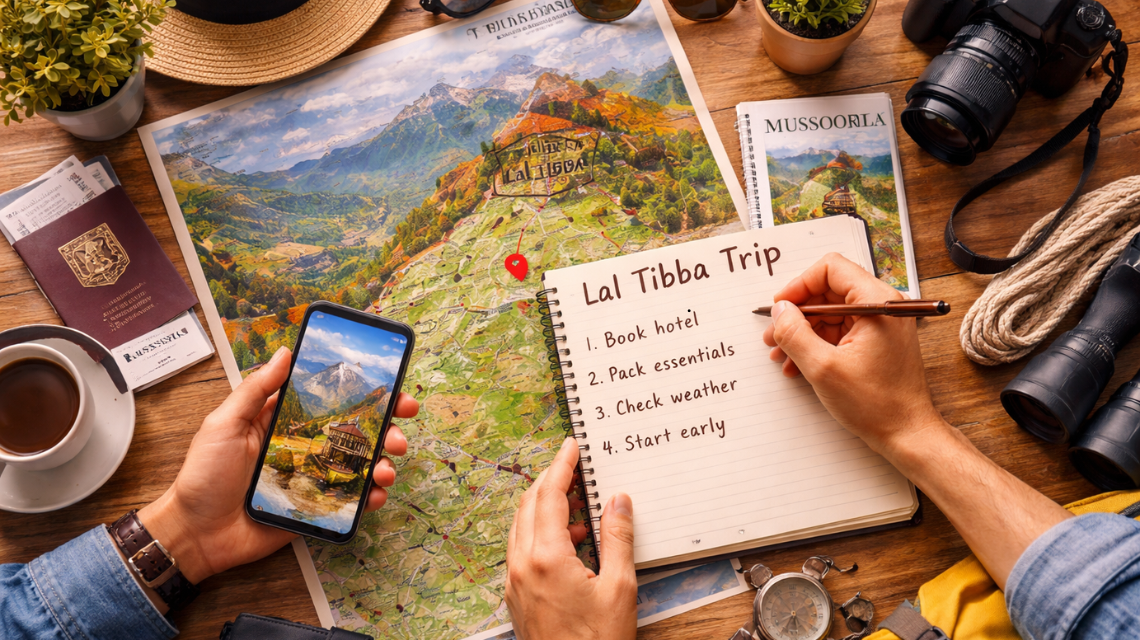
To make the most of your visit, timing alone isn’t enough—you need a simple plan.
Step 1: Choose the Right Time
- Prefer early morning for best visibility
- Choose sunset for ambiance
Step 2: Check Weather Conditions
Before heading out:
- Check for fog or cloud cover
- Avoid heavily cloudy days
Step 3: Combine Nearby Attractions
Make your trip more efficient by combining:
- Camel Back Road Mussoorie
- Christ Church Mussoorie
- Company Garden Mussoorie
- Gun Hill Point Mussoorie
Step 4: Wear Comfortable Clothing
- Carry light jackets (even in summer)
- Wear comfortable walking shoes
Where to Stay for the Best Lal Tibba Experience
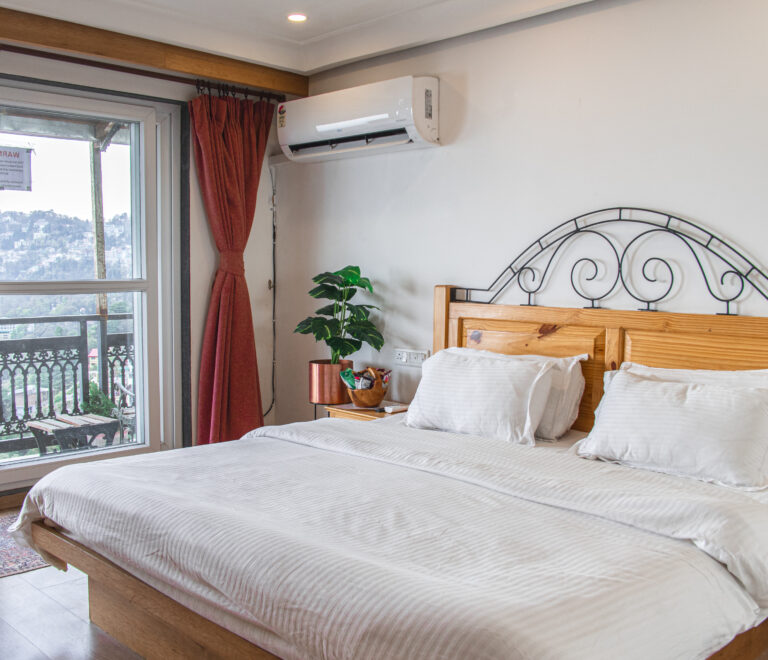
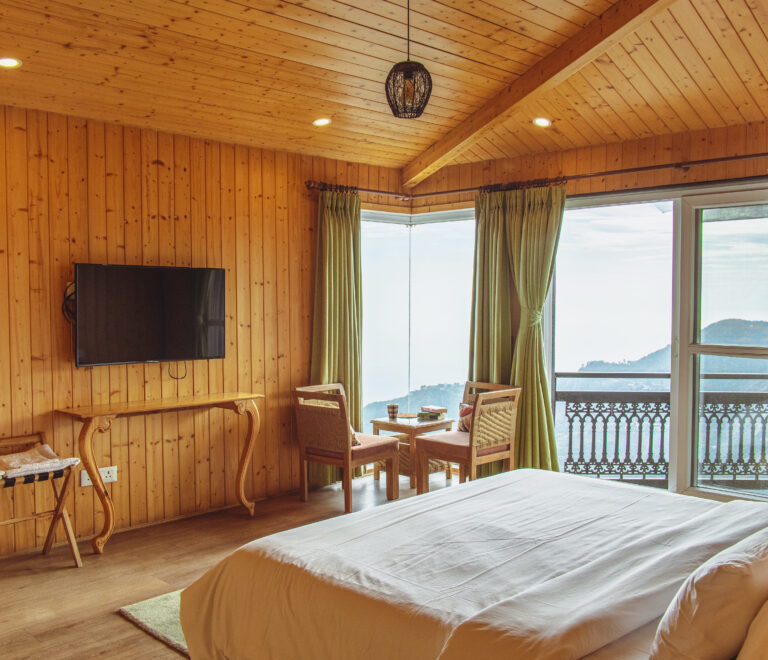
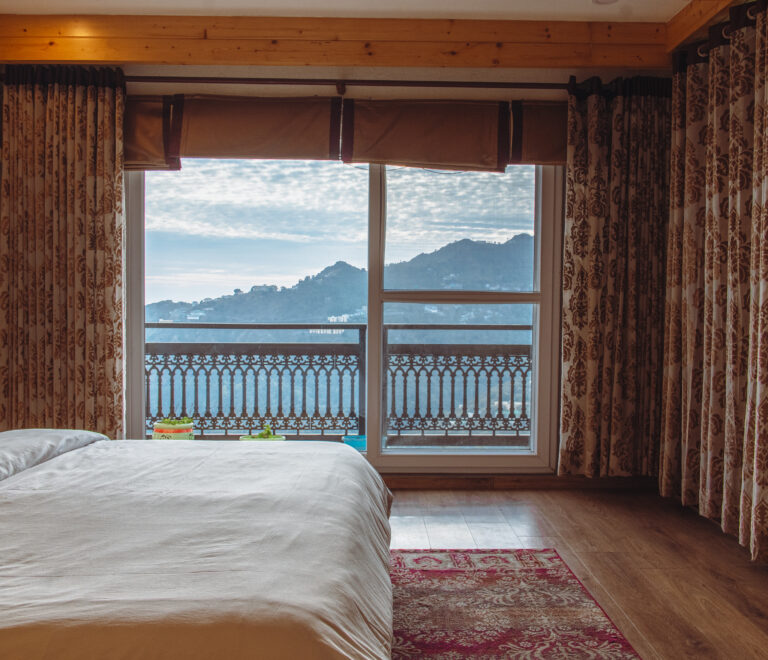
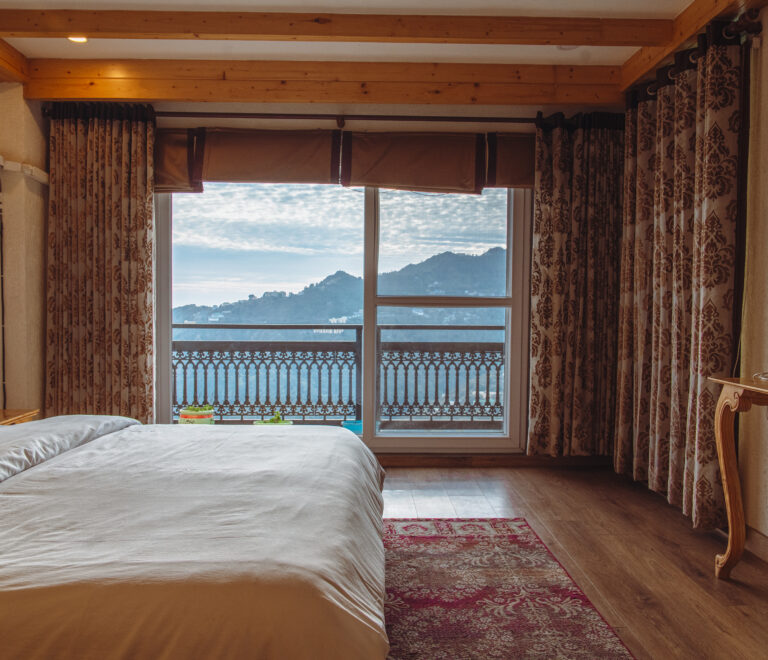
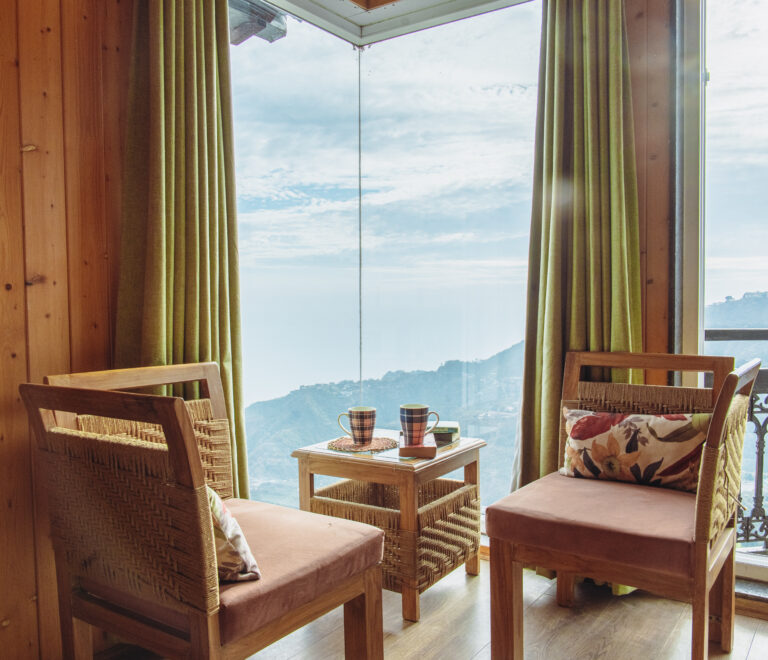
To truly enjoy Lal Tibba, your stay location matters.
Look for accommodations that offer:
- Peaceful surroundings
- Mountain views
- Easy access to Landour
Recommended Stay Options
You can explore premium options under:
- luxury stays in Mussoorie
- luxury villa in Mussoorie
- family suite in Mussoorie
Who These Stays Are Perfect For
- Couples → homestays for couples in Mussoorie
- Families → family-friendly stays in Mussoorie
- Professionals → corporate stays in Mussoorie
These stays enhance your overall experience by keeping you close to nature and away from crowded areas.
Pro Tips for Visiting Lal Tibba
Here are a few practical tips that can make your visit smoother:
- Visit before 9 AM for the clearest views
- Avoid peak afternoon hours
- Carry a camera or binoculars
- Walk the last stretch if possible
- Keep buffer time for weather changes
Final Thoughts
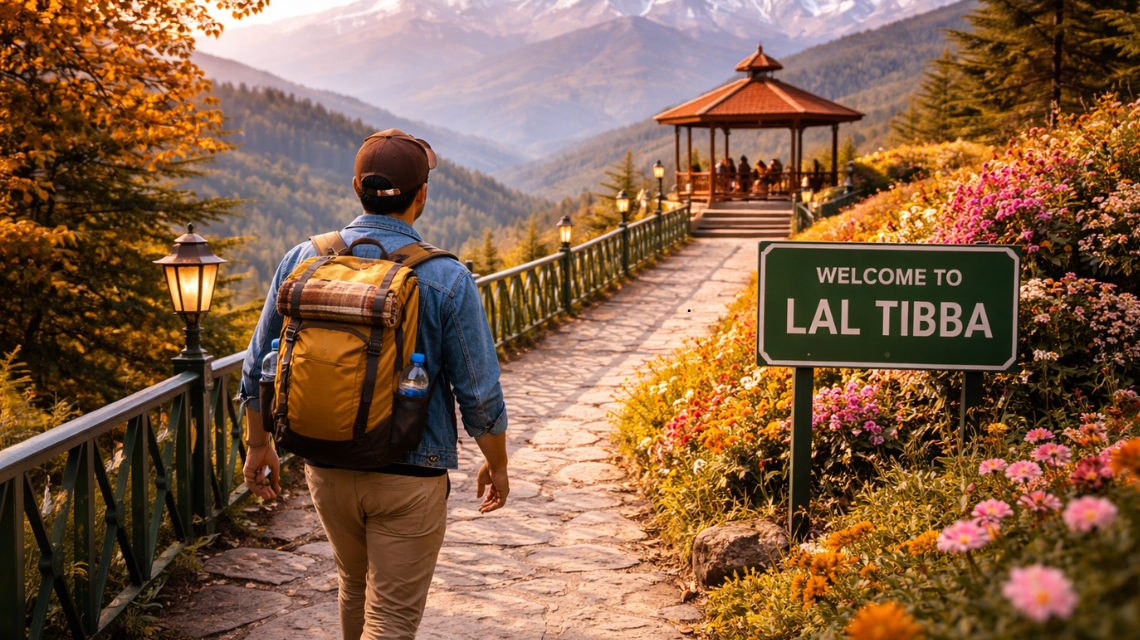
Lal Tibba is one of those places where timing defines the experience.
Visit at the right moment, and you’ll witness:
- Endless Himalayan ranges
- Golden sunlight over peaks
- A calm that stays with you
Visit at the wrong time, and it might just feel like another viewpoint.
But when done right, Lal Tibba becomes more than just a stop, it becomes a memory.
Frequently Asked Questions
1. What is the best time of day to visit Lal Tibba?
Early morning (6 AM – 9 AM) is the best for clear views. Sunset is also a great option.
2. When should I visit Lal Tibba?
Summer and autumn are the best seasons for visibility and pleasant weather.
3. What is Lal Tibba famous for?
It is known for being the highest viewpoint in Mussoorie with clear Himalayan views.
4. Can we visit Lal Tibba in the afternoon?
Yes, but visibility is usually poor due to haze.
5. Is Lal Tibba good for couples?
Yes, especially during sunrise or sunset for a peaceful and romantic experience.
6. Can we see snow peaks from Lal Tibba?
Yes, on clear days using telescopes or even with the naked eye.
7. Is Lal Tibba crowded?
It is less crowded compared to other Mussoorie attractions, especially in the morning.