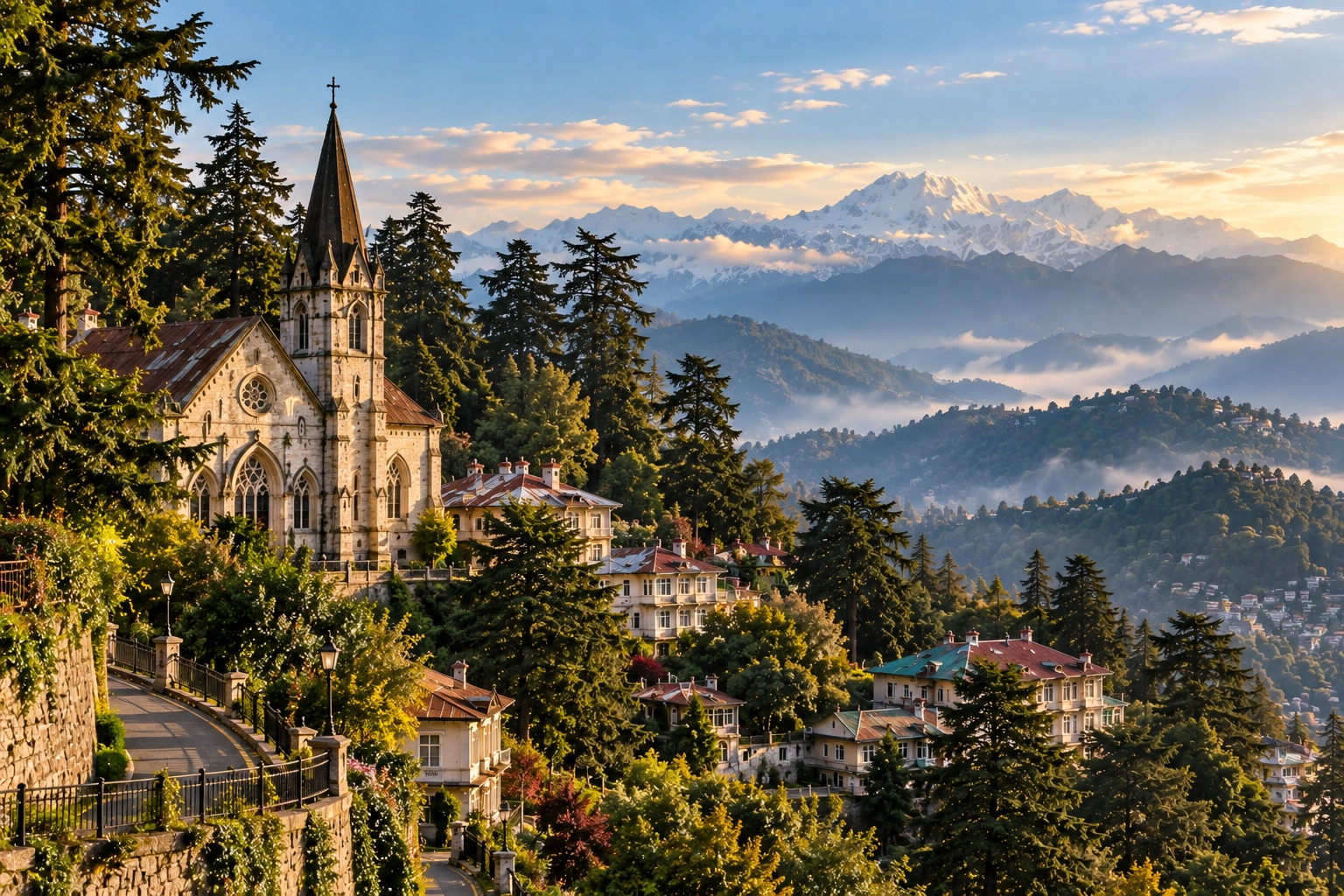
Summary
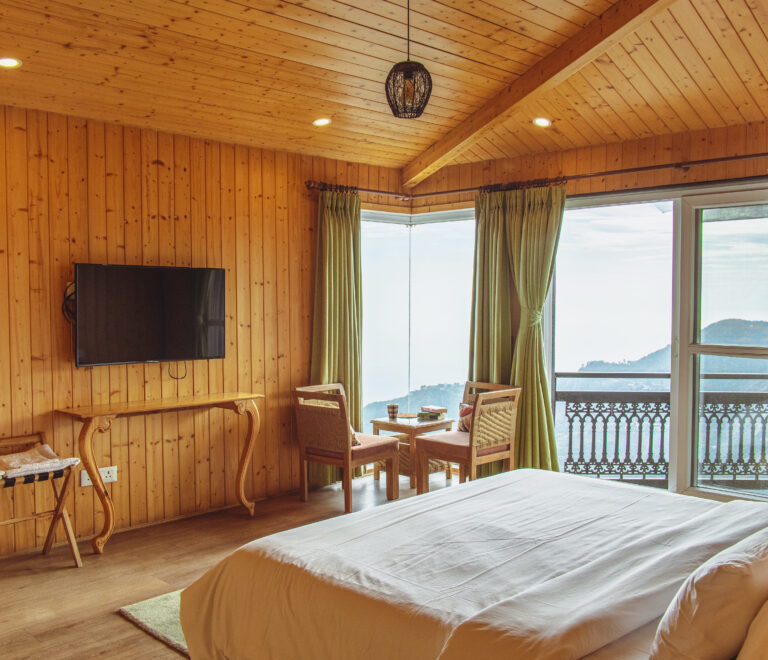
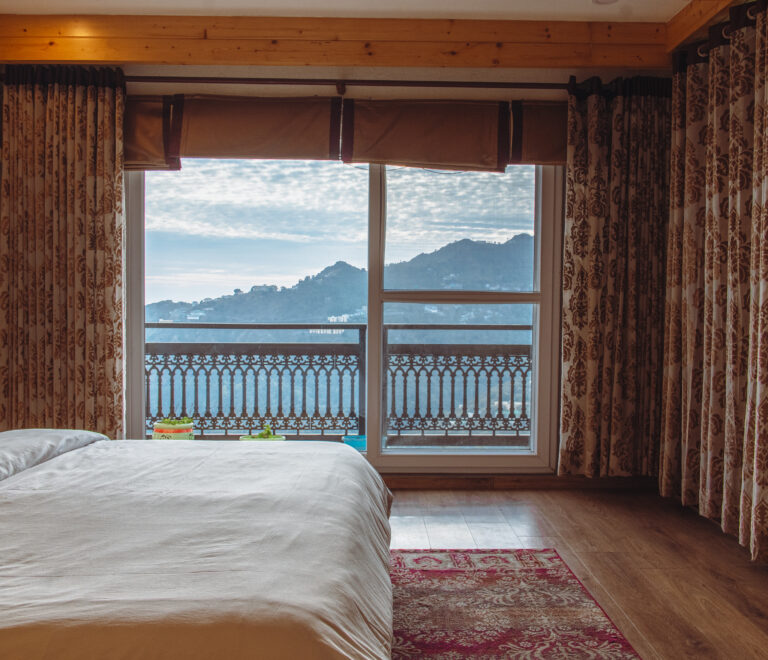
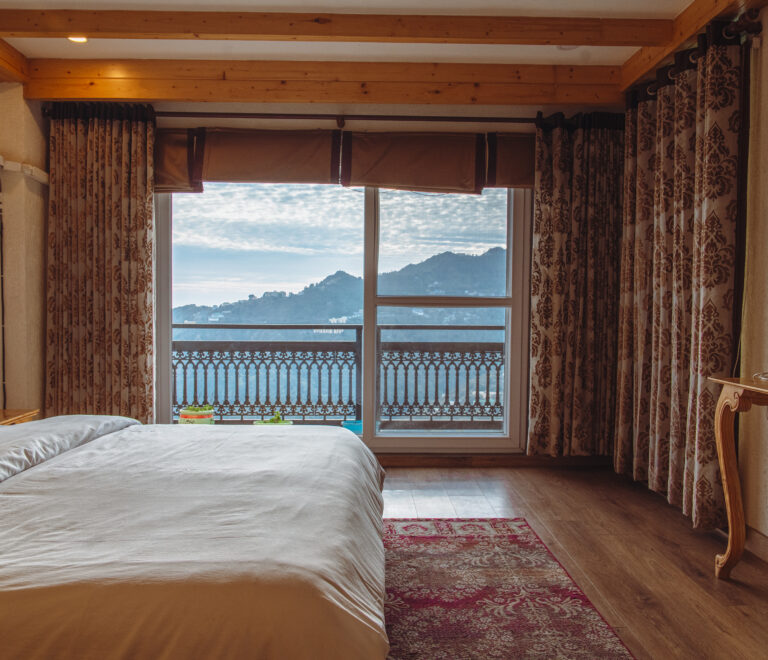
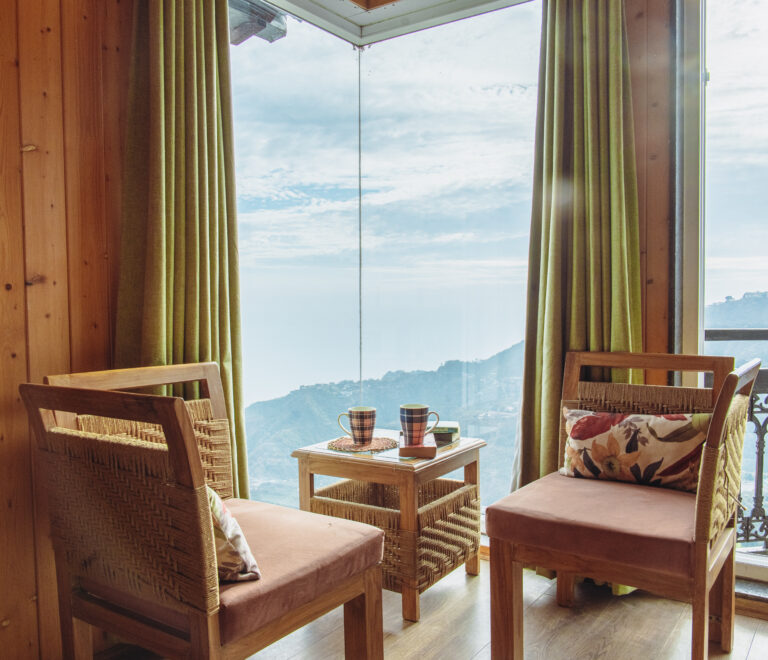
Discover who founded mussoorie and learn how Captain Frederick Young and F.J. Shore helped develop the hill station. Explore the role of Landour, colonial buildings and Mussoorie’s journey from a quiet mountain retreat to a popular holiday destination. With Chalet by The Manor House, travellers searching for the best homestay in mussoorie mall road can enjoy a comfortable base while exploring the town’s rich history.
What You’ll Learn
- Who founded Mussoorie and how the first settlement began.
- What Mussoorie was like before British development.
- Why Landour became important in the town’s early history.
- How schools, churches, hotels and Mall Road shaped Mussoorie.
- How choosing a homestay in mussoorie mall road can make historical sightseeing more convenient.
Introduction
Mussoorie is now known for its peaceful mountain views, old buildings, cafés, shopping streets and pleasant weather. But before it became one of the most loved hill stations in Uttarakhand, the area was mostly covered with forests and used by local villagers for grazing cattle.
Many travellers search for who founded mussoorie because the town has a long history connected with British officers, soldiers and early settlers. The answer is mainly linked with Captain Frederick Young and F.J. Shore, two British officers who explored the hills during the early nineteenth century.
Their visit, followed by the construction of a small shooting lodge, slowly opened the way for the development of Mussoorie as a British summer retreat. In this article, we will explore the early story of the town, the people involved in its development, the importance of Landour and how Mussoorie became the popular holiday destination it is today.
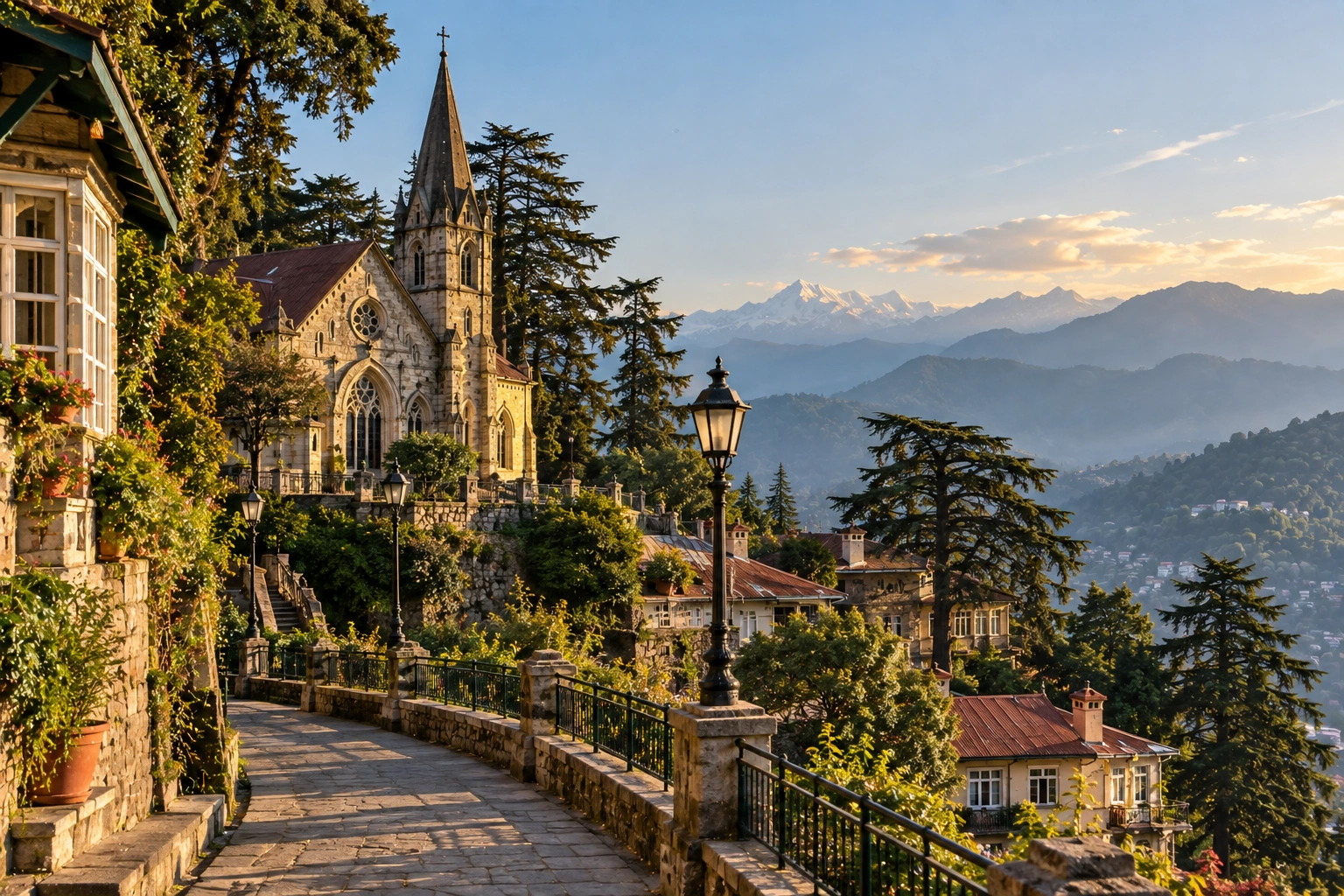
How Captain Young and F.J. Shore Helped Establish Mussoorie
When people ask who founded mussoorie, Captain Frederick Young is usually the first name that comes up. However, the early development of Mussoorie was not the work of one person alone. F.J. Shore also played an important role in exploring the hills and setting up the first structure in the area.
Captain Frederick Young was a British military officer who served in the East India Company’s army. He was also connected with the early formation of the Sirmoor Rifles, one of the first Gurkha regiments raised under British command.
F.J. Shore was the Superintendent of Revenues and an important British official in the Dehradun region. Both men were familiar with the Doon Valley and its surrounding hills.
Their First Visit to the Mussoorie Hills
Around 1823, Captain Young and F.J. Shore travelled into the hills north of Dehradun. Their main purpose was connected with hunting and exploring the area. During this journey, they discovered the beauty of the ridge that later became Mussoorie.
The location offered several advantages:
A cooler climate than the plains.
Fresh mountain air.
Green forests and open slopes.
Beautiful views of the Doon Valley.
Plenty of space for hunting and outdoor activities.
A peaceful environment away from the heat of the plains.
The hills made a strong impression on the two officers. They decided to build a small shooting lodge or shooting box in the area. This early structure is often considered the first important step in the development of Mussoorie. Historical accounts place the first shooting box around Camel’s Back Hill, close to the area near present-day Christ Church.
Why the Shooting Lodge Was Important
The first lodge was not a hotel or a public building. It was a simple place where the officers could stay during hunting trips. But its importance grew over time.
Once other British officers heard about the cool weather and beautiful surroundings, they also became interested in visiting the hills. Some came for hunting, while others wanted a break from the hot and crowded plains.
This is how the first small structure became the starting point for a larger settlement.
Captain Young later built a bigger residence called Mullingar. The house was named after Mullingar in Ireland, which was connected with his homeland. It became one of the earliest important residences in the Mussoorie-Landour area.
Was Captain Young the Only Founder?
It would be more accurate to say that Captain Frederick Young is widely remembered as the founder of the British settlement at Mussoorie, while F.J. Shore was also involved in the early exploration and construction.
Some historical accounts describe Mussoorie as being founded by both Young and Shore. Others give most of the credit to Captain Young because of his later residence, military role and contribution to the growth of the area.
So, the simple answer to who founded mussoorie is:
Captain Frederick Young is generally credited as the main founder, with F.J. Shore playing an important supporting role in the town’s early development.
The early settlement began with a small shooting lodge, but the pleasant climate soon attracted many more visitors.
What Mussoorie Was Like Before the British Arrived
Before the British developed Mussoorie as a hill station, the area was very different from the busy town we see today. There were no crowded markets, large hotels, colonial churches or long lines of tourists.
The ridge was mostly covered with forests, including deodar, oak and other mountain trees. Local communities from nearby villages used the land for grazing cattle and moving through the hills.
The name Mussoorie is often linked with the Mansur plant, a shrub that grew in the region. Because the shrub was found in large numbers, the area was sometimes associated with the name Mansuri.
A Forested Mountain Ridge
The Mussoorie ridge had natural beauty, but it was not developed for tourism. The landscape included:
Thick forests.
Small mountain paths.
Open grazing areas.
Natural streams.
Hillside grasslands.
Small settlements in nearby areas.
Traditional routes used by local people.
The area was not empty in the sense of having no human connection. Local villagers already knew the hills and used the surrounding land for daily activities. The British arrival changed the purpose and development of the ridge.
Instead of being mainly a forested and grazing area, it slowly became a place for military camps, summer homes, schools and holiday residences.
The Influence of the Gorkhas
The early history of Mussoorie is also connected with the Gorkha expansion in the region. In the early nineteenth century, the Gorkhas controlled parts of Garhwal and the Doon Valley. The conflict between the Gorkhas and the British later led to changes in political control.
The Anglo-Gorkha War began in 1814. By 1815, the Gorkhas had been pushed out of the Dehradun area, and the region later came under British control. This created the conditions for British officers to explore and develop the surrounding hills.
Why the British Were Interested in Hill Stations
The British often searched for cooler places because the heat of the Indian plains was difficult during summer. Hill stations offered a more comfortable climate and were also useful for military recovery and administration.
Mussoorie was attractive because it was:
Close to Dehradun.
Accessible from the plains.
Cooler during the summer months.
Surrounded by forests and mountains.
Suitable for homes and military facilities.
Beautiful enough to attract families and visitors.
The British did not create the natural beauty of Mussoorie. They developed buildings, roads and institutions around a landscape that already existed.
This is an important part of the town’s story. The history of Mussoorie is not only about British buildings. It also includes the natural environment and local communities that were present before the hill station became famous.
The Role of Landour in Mussoorie’s Early Development
Landour played a major role in the early development of Mussoorie. Today, visitors know Landour for its quiet lanes, old cottages, cafés, churches and tall deodar trees. But in the beginning, it was closely connected with the British military.
Landour developed as a military cantonment and a recovery centre for British soldiers. Its location, clean air and peaceful surroundings made it suitable for soldiers who needed rest after serving in the hot plains or during military campaigns.
Landour and the Military Connection
Captain Frederick Young was closely connected with the development of Landour. He served as the Commandant of the Landour cantonment and built his residence, Mullingar, in the area.
The first permanent building in the Mussoorie-Landour region is often connected with Young’s house, which was built around 1825. This made Landour an important part of the early settlement story.
Landour was not simply a residential area. It also had a military purpose. The British established facilities for soldiers, including a convalescent depot where troops could recover.
A convalescent depot was a place where sick, tired or injured soldiers could rest and regain their health. The cool climate of the hills made Landour suitable for this purpose.
Why Landour Attracted Early Settlers
Landour offered many of the same things that attracted people to Mussoorie:
Cool weather.
Fresh mountain air.
Forest surroundings.
Peaceful walking paths.
Views of the Himalayan ranges.
Space for military and residential buildings.
Over time, more British families and officials settled in the area. Houses, roads and small facilities slowly appeared around the cantonment.
The development of Landour and Mussoorie happened together, but both areas had slightly different identities. Landour was more strongly connected with the military, while Mussoorie gradually developed as a residential and holiday town.
Mullingar and Other Early Buildings
Mullingar is one of the most remembered names from the early history of Mussoorie. Captain Young built the house as his residence, and its name reflected his Irish background.
The house became a symbol of the early British settlement in the hills. It also showed that the officers were no longer visiting only for short hunting trips. They were beginning to create permanent homes and a long-term presence.
Other buildings followed, including homes, churches, shops and public facilities. The construction of these buildings helped transform the area from a remote mountain ridge into a growing settlement.
Landour’s Historic Charm Today
The old character of Landour can still be noticed in its narrow roads, stone walls, wooden windows, old cottages and forested surroundings.
Travellers staying at the best homestay in mussoorie mall road can plan a relaxed visit to Landour without making the day too complicated. A short trip to this historic area can include peaceful walks, old architecture, local cafés and views of the surrounding hills.
Landour is especially enjoyable for visitors who prefer slow travel. Instead of rushing between many attractions, people can spend time noticing the small details of the old settlement.
Its history reminds us that Mussoorie did not grow overnight. It developed gradually through military activity, residential settlement and the growing popularity of the hills.
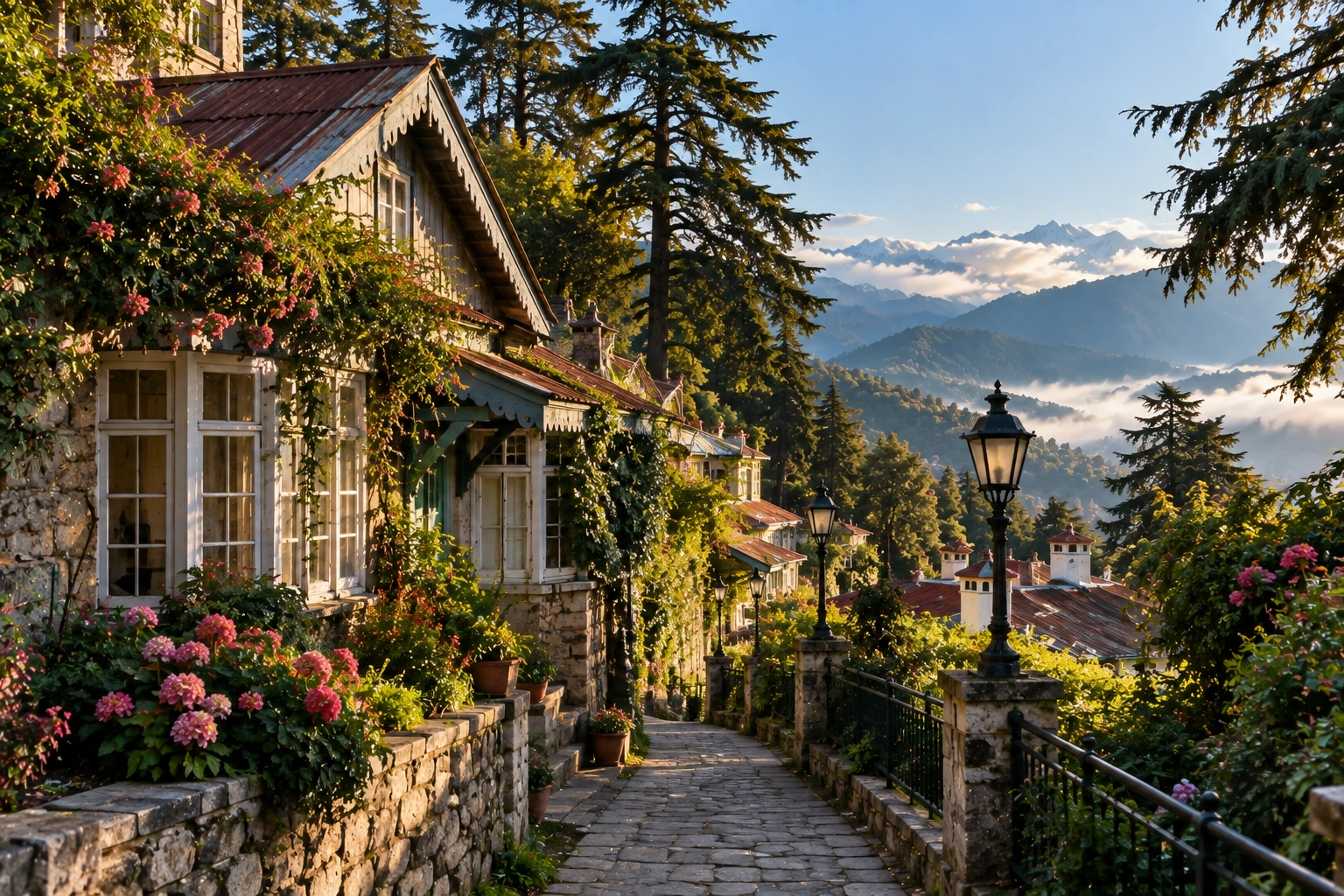
How the Hill Station Slowly Became a Popular Summer Retreat
After the first British officers explored the area, Mussoorie began attracting more visitors. The cool climate was the main reason, but the beautiful landscape and peaceful surroundings also played an important role.
During the nineteenth century, British officers, administrators, traders, soldiers and families started visiting the hills. Many wanted to escape the heat of the plains during the summer months.
From Shooting Trips to Summer Homes
The earliest visitors came for hunting and short stays. Later, people began building homes and spending longer periods in the hills.
This change was important because it gave Mussoorie a more permanent identity. The town was no longer just a place for outdoor trips. It became a summer retreat where people could live, rest and socialise.
As more people arrived, the need for better facilities also increased. Roads, shops, hotels, schools and churches began to appear.
The development of Mussoorie followed a pattern seen in several British hill stations in India. A location first became known to military officers, then attracted settlers, and later grew into a popular holiday destination.
The Growth of Hotels and Guest Houses
As the number of visitors increased, accommodation became necessary. Early homes and lodges were followed by guest houses, hotels and larger residences.
These places offered visitors a comfortable stay during the summer. They also helped create a local economy around tourism.
People were needed to work in:
Hotels and guest houses.
Shops and markets.
Transport services.
Construction.
Food supply.
Household services.
Tourism-related businesses.
Over time, Mussoorie became a town where local residents and visitors depended on each other.
Today, travellers have many accommodation options, from hotels to private cottages and homestays. Choosing the best homestay in mussoorie mall road can be useful for visitors who want to stay close to the town’s main walking areas while also enjoying a more peaceful place to return to.
Schools and Churches Added to the Town’s Identity
Schools and churches became important parts of Mussoorie’s development. They were built to serve the growing European population and their families.
Historic schools helped establish Mussoorie as more than a temporary summer camp. Families began sending children to schools in the hills, while churches and community buildings created a sense of permanent settlement.
Christ Church is one of the well-known historic religious buildings associated with Mussoorie. Its old architecture and hillside setting continue to attract visitors interested in the town’s past.
The presence of schools, churches and public buildings also gave Mussoorie a strong colonial character. Many of these structures still influence the appearance of the town today.
The Development of Mall Road
As the settlement grew, shopping and social activity became more organised. Mall Road developed as one of the main public areas of Mussoorie.
It became a place where people could walk, shop, meet others and enjoy the mountain atmosphere. Over time, cafés, shops, restaurants and local businesses made the area even more popular.
For modern travellers, staying at a homestay in mussoorie mall road can make it easier to explore this central part of town. Visitors can enjoy morning walks, shopping, cafés and nearby attractions without spending too much time travelling.
The history of Mall Road shows how Mussoorie changed from a quiet British retreat into a busy and well-known hill station.
Mussoorie After Independence
After India became independent in 1947, Mussoorie slowly changed its character. The town was no longer mainly a British summer retreat. Indian travellers, families, students and tourists began visiting in larger numbers.
The old colonial buildings remained, but the town developed a more mixed identity. Local businesses expanded, new hotels were built and tourism became an important part of the economy.
Mussoorie became popular among people from nearby cities as well as travellers from different parts of India. Its pleasant climate, mountain views and historic atmosphere made it a favourite destination for holidays.
The modern town is a combination of many periods:
The natural landscape from before British settlement.
The early military history of Landour.
Colonial-era homes and churches.
Schools and old public buildings.
Indian businesses and local markets.
Modern hotels, cafés and homestays.
A growing tourism industry.
This combination is what makes Mussoorie different from a newly developed tourist destination.
Why Mussoorie’s Founding Story Still Matters Today
The story of who founded mussoorie is not just a question about one British officer. It helps us understand how the town developed and why its streets, buildings and neighbourhoods look the way they do today.
Captain Frederick Young and F.J. Shore were involved in the early exploration of the hills. Their shooting lodge became an early step in the development of the settlement. Later, military activity, homes, schools, churches and hotels helped Mussoorie grow.
Understanding the Old Buildings
When visitors walk through Mussoorie today, they can still notice signs of its early history.
These include:
Colonial-style houses.
Old churches.
Stone retaining walls.
Wooden windows.
Heritage schools.
Historic hotels.
Old walking paths.
Traditional hillside cottages.
Buildings with sloping roofs and large windows.
These details are not only attractive for photographs. They show how people lived and built homes in the hills during an earlier period.
The architecture was influenced by British design, but it also had to suit the mountain climate. Sloping roofs, strong walls and large windows were useful features in a place with rain, cold weather and steep land.
The Importance of Landour
Landour continues to be one of the best places to notice Mussoorie’s older character. Its quieter roads and forest surroundings make it feel different from the busier parts of the town.
A visit to Landour can help travellers understand the military and residential history of the region. It also shows how the original hill settlement developed around natural slopes and wooded areas.
Visitors staying at the best homestay in mussoorie mall road can include Landour in a half-day plan. It is better to keep enough time for walking because the charm of the area is found in its small lanes and old buildings rather than in one single attraction.
Why History Adds Meaning to a Holiday
Knowing the background of a place can make sightseeing more interesting. A church is not just an old building when you understand why it was built. A quiet road feels different when you know it was once part of a military settlement. An old cottage becomes more special when you realise how early families lived in the hills.
This is why history adds value to a Mussoorie trip.
Instead of only visiting popular viewpoints, travellers can also explore:
Old churches.
Landour’s historic streets.
Colonial buildings.
Heritage hotels.
Traditional markets.
Old cemeteries.
Quiet roads around the main town.
Historic schools and public buildings.
A stay at the best homestay in mussoorie mall road can offer a comfortable base for this kind of exploration. Being near the main town makes it easier to plan short visits and return after a day of walking.
A Comfortable Stay While Exploring History
Mussoorie’s history can be explored at a slow pace. You do not need to visit every place in one day. A morning walk, a visit to an old church, a relaxed café break and an evening around Mall Road can be enough to experience the town’s character.
For travellers who prefer comfort and convenience, a homestay in mussoorie mall road can be a practical choice. It allows visitors to stay close to important areas while enjoying a more personal and peaceful atmosphere.
Chalet by The Manor House can be considered by travellers looking for a comfortable place near the town. Its location can make it easier to explore Mussoorie’s old streets, local cafés and nearby historic areas.
The Story Is Still Developing
Mussoorie’s history did not end with the British period. The town continues to change with new businesses, visitors, buildings and tourism trends.
At the same time, its older identity remains visible. The hills, deodar trees, colonial buildings and Landour streets still connect the present town with its early years.
The best way to respect this history is to explore carefully, avoid damaging old structures, keep the streets clean and support local businesses.
Conclusion
The story of who founded mussoorie takes us back to the early nineteenth century, when Captain Frederick Young and F.J. Shore explored the hills and helped begin the development of this beautiful hill station. From the first shooting lodge and Landour’s military history to old churches, colonial cottages and busy Mall Road, Mussoorie still carries the charm of its early days.
For travellers who want to explore these historic places at a relaxed pace, Chalet by The Manor House offers a comfortable base near the town. Choosing the best homestay in mussoorie mall road makes it easier to visit Landour, heritage buildings, cafés and popular walking areas. A peaceful homestay in mussoorie mall road can also help you enjoy the town without spending too much time travelling.
Mussoorie’s history is not only found in books—it can still be seen in its streets, buildings and mountain surroundings. So, take your time, explore beyond the usual attractions and experience the old-world charm of the Queen of Hills.
People Also Ask
Who discovered Mussoorie?
Mussoorie was discovered by Captain Frederick Young and F.J. Shore during a hunting trip in the hills near Dehradun around 1823. Their visit helped begin the town’s early development.
When was Mussoorie established as a hill station?
Mussoorie began developing as a British hill station in the early 1820s. It became a recognised summer retreat around 1825 under Captain Frederick Young.
What was the first building in Mussoorie?
The first known structure was a small shooting lodge or shooting box, built by Captain Young and F.J. Shore during their early visits. Historical accounts place it near Camel’s Back Road or the present Christ Church area.
Why did the British choose Mussoorie?
The British were attracted to Mussoorie because of its cooler climate, fresh mountain air, forests and views of the Doon Valley. It offered a comfortable escape from the heat of the plains.
What is Captain Frederick Young remembered for besides founding Mussoorie?
Captain Frederick Young is also remembered for raising the first Gurkha regiment, later known as the Sirmoor Rifles. He also built Mullingar, one of the earliest important residences in the Mussoorie-Landour region.
Frequently Asked Questions
Is Mussoorie a good destination for a history lover?
Yes, Mussoorie has old churches, colonial buildings, heritage streets and historic areas like Landour that are interesting for history lovers.
Can visitors explore Mussoorie’s historical places in one day?
Many important places can be covered in one day, but a relaxed two-day plan is better for enjoying the old streets and buildings without rushing.
What is the best way to explore old Mussoorie?
Walking is one of the best ways to explore old Mussoorie, especially around Landour, Mall Road and nearby heritage areas.
Are there colonial buildings in Mussoorie that visitors can see today?
Yes, visitors can notice colonial-style cottages, churches, schools, hotels and old stone structures across Mussoorie and Landour.
Where should I stay while exploring Mussoorie’s history?
A comfortable stay near the main town, such as Chalet by The Manor House, can make it easier to explore historic places, cafés and popular walking areas.